
United Kingdom
Castle Craig, Scotland
Find out more

Leaving rehab is a milestone worth recognising. You’ve done something challenging, and the life you’re returning to is full of possibility. Recovery doesn’t end at discharge, however, and the weeks and months that follow come with their own challenges. Relapse prevention is about making sure you’re ready for them.
It helps you prepare for life outside treatment, giving you tools to manage cravings, recognise the situations that put your recovery at risk, and stay grounded when things get difficult. At Castle Health, we create a personalised relapse prevention plan with you before you go home as part of your aftercare, so you know what to do when challenges arise.
“I contacted Castle Health [formerly CATCH Recovery] seeking guidance and options to support a relative who was having a difficult time both with addiction and other mental health concerns. The team were incredibly kind and informed, they took the time to go through all the options with me and helped us plan how to approach the matter. Fortunately the person has now been receiving care from [Castle] for several months and is doing really well. A big thank you to the wonderful team. I would highly recommend this service.”

Relapse happens when someone returns to using substances or engaging in addictive behaviours after a period of sobriety. This means they may start using substances like drugs and alcohol again, or return to behaviours like gambling.
Relapse doesn’t mean that you’ve failed, but it’s a sign that you need to reconnect with the tools you learned in rehab. Recovery isn’t linear, and understanding why relapse happens can help you respond differently if you feel yourself slipping. When you’re able to notice the warning signs early, it becomes easier to act quickly before things escalate.
There will be good days and harder ones, and your motivation can shift depending on stress, cravings, or what’s happening in your life. Being patient with yourself during difficult days is part of the process.

Things to look out for are:
Relapse can bring feelings of shame or failure. These feelings are understandable, though they’re not helpful. A setback is an opportunity to learn what’s not working and to strengthen your approach. It’s part of recovery, not the end of it.
Your relapse prevention plan may need to be updated to suit your lifestyle, or you can work with a recovery coach to turn a setback into a learning experience that makes your recovery process stronger.
The work you do in rehab is preparation as much as it is treatment. A significant part of that preparation is understanding what puts your recovery at risk and building the skills to respond when it happens.
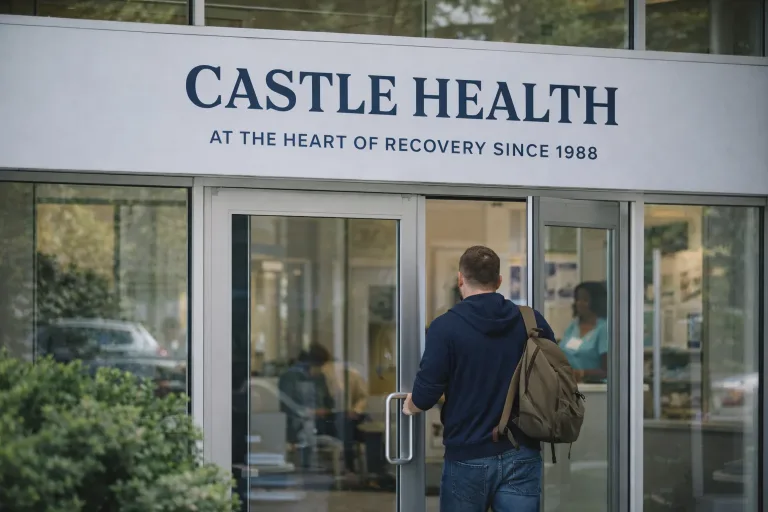
Addiction is a medical condition that changes how the brain works and affects how you make decisions. It can make you feel like you’re not in control, but relapse is not a moral failing and is nothing to be ashamed of. Relapse prevention isn’t about being perfect. It’s about learning how to manage your condition.
Addiction doctors can use relapses to see patterns and make changes to your treatment plan going forward. This can help you respond differently next time, as you’ll build more relevant skills to deal with the situations and feelings that put your recovery at risk.
At Castle Health, we always treat you as a unique person, so our relapse prevention plans are personalised. Having gotten to know you and your situation during a residential rehab stay at one of our inpatient centres, we use evidence-based methods to create your plan so you have a framework to go home with that will guide and support your recovery.
Our approach to relapse prevention covers every part of life after treatment, not just the clinical side.

Castle Health takes a personal approach to each person’s recovery. We’ll work with you to build a relapse prevention plan that fits your needs.
Before leaving inpatient treatment, a personalised relapse prevention plan is created for you. It will include clear steps to take and warning signs to watch for. It will also show you how to connect to ongoing support if you need more help while adjusting to life outside treatment.
Your plan is the foundation, but the support around it matters just as much. Relapse prevention following a rehab stay could also include psychoeducation or group therapy. Psychoeducation teaches you and your family more about your addiction and helps you understand how to manage it better. Group sessions give you a space to talk about your experiences with other people who know what you’re going through.

The techniques and support that you’ve learned in treatment will continue to help you deal with challenges in your daily life. They’ll give you a sense of structure as you adjust to life after treatment.

If you’re continuing treatment as an outpatient, you can keep attending therapy while living at home. Sessions focus on coping skills, and they’ll also explore the moments that make staying on track harder, as well as regularly reviewing your relapse prevention plan. You’ll have a safe space to talk through challenges as they happen.
Online therapy is a flexible option if attending appointments in person isn’t possible. You can have sessions over the phone or via video call, fitting support around your work, family, or other commitments. Staying connected to professional support from home is just as valid as attending in person, and for some people, it’s what makes continuing therapy realistic in the long term. What matters is that the support is there when you need it.
Using your new skills outside of rehab treatment takes practice. Relapse prevention planning during aftercare helps you review how well your new routines are working. It teaches ways to stay calm and act on warning signs early so you can stay on track.
There are practical steps that form part of your relapse prevention plan, and your Castle Health team will help you put them in place before you leave treatment. These strategies are about making small, manageable choices every day that support your recovery over the long term.
Alcohol presents specific challenges in recovery because it is so embedded in everyday social life. At Castle Health, we help you recognise the particular times, places, and situations that may arise around consuming alcohol, and build alcohol relapse prevention strategies around them. Therapy and counselling form a central part of this, helping you manage stress and cravings as they arise.
We also recommend joining groups like Alcoholics Anonymous, where you’ll find ongoing peer support from people who understand what alcohol recovery is like.
Drug relapse prevention focuses on understanding the patterns behind your use and building a plan for the moments when cravings feel strongest. Therapy helps you work through the underlying reasons for your addiction, while groups like Narcotics Anonymous offer ongoing peer support from people who understand what recovery from drug dependency involves.
Your Castle Health team will help you identify the specific situations that make staying on track harder and build practical strategies around them.
Gambling presents its own particular challenges in recovery because the urge to gamble is often tied to specific emotions, routines, or environments that are deeply familiar. At Castle Health, we help you explore the habits and patterns behind your gambling and understand what drives the urge to return to it.
We then plan around the situations that put your recovery at risk, and offer practical coping strategies for the moments when things feel difficult. We will also connect you to specialist support groups where you’ll find people who understand gambling recovery from their own experience.

If you’re relapsing or feel like you might be, don’t wait. Reach out for support. It doesn’t matter how long you’ve been in recovery or how far things have gone. Getting support early makes it easier to find your footing again.
This is not a sign that your treatment failed or that you’ve undone your progress. It’s a sign that you need support, and that’s exactly what Castle Health is here for.
Call us, and we’ll talk through where you are and what the right next step looks like. That might mean updating your relapse prevention plan, returning to therapy, or coming back into treatment. Our team will help you find the right next step for you.

Yes. You can return to Castle Health if you relapse, and we’ll review your relapse prevention plan and adapt your treatment to what you currently need.
Patients can continue to build their recovery with early support and therapy to help them regain control after a relapse. We are here to listen without judgement and support you when you need it.
Leaving treatment is the beginning of a longer journey, and Castle Health stays with you through it. Your relapse prevention plan gives you clear steps to follow at home, one day at a time, and our team remains available to review and update it as your life and needs change.
Through ongoing therapy, aftercare support, and access to our wider network of recovery communities, you’ll have professional guidance for as long as you need it. You’re not left to work things out alone.
If you’re ready to talk about what relapse prevention looks like for you, or if you’re concerned about where you are in your recovery right now, we’re here.

We are here to listen, guide and help you every step of the way. Call us today and together we can find a solution that suits you.
Our admissions process is confidential and designed to suit and support you and your circumstances. Find out more about the Admissions process.
From the UK: 0131 287 4071
International: +44 (131) 287 4071
Yes, relapse is common. It’s normal for people to experience difficulties when they try to readjust to their lives at home after treatment.
People who finish rehab programmes can maintain their progress with relapse prevention plans and by staying in contact with support networks.
Family members can stay involved after a stay in rehab by helping their relative build new, healthier habits when they come home.
If you are worried about their progress or need some help for yourself, contact Castle Health to find out more about our family therapy options.