United Kingdom
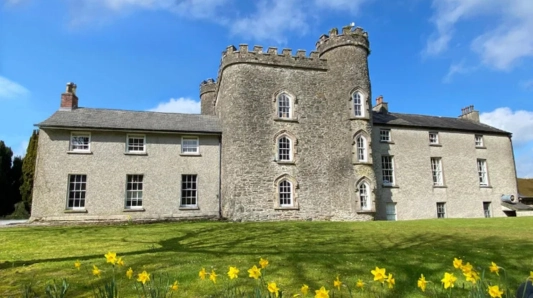
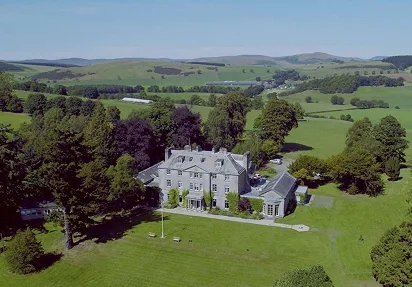
Castle Craig, Scotland
Find out more
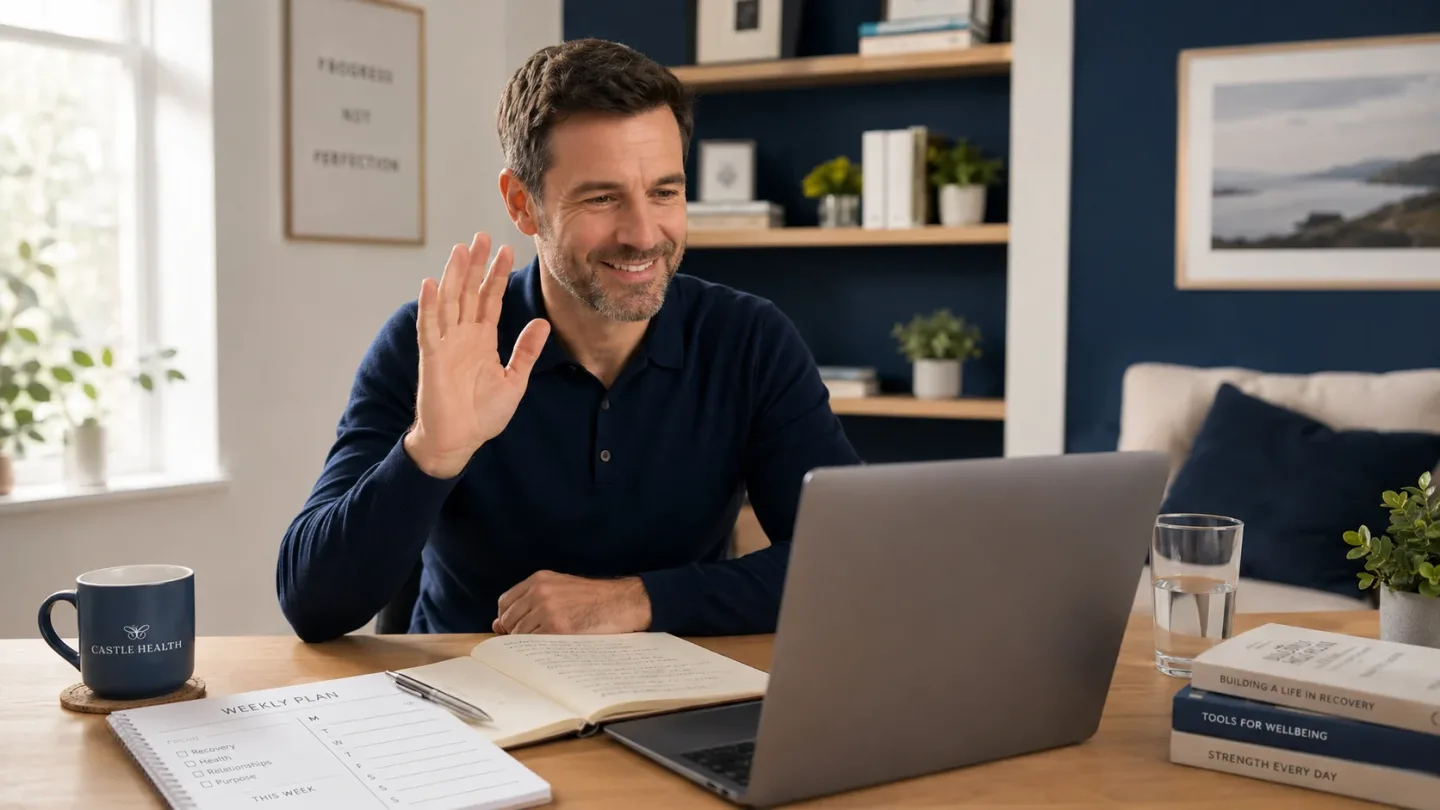

Leaving residential rehab might not feel like the moment that everything settles. For many, it’s when a new set of questions start; what happens now? How do I hold on to what I learned? Who do I talk to when home feels harder than treatment did?
Castle Health builds its rehab aftercare around this. We work with you across the months and years after discharge. Support is delivered through individual therapy, group sessions and recovery coaching across our network.
Our aftercare programme is open to you whether you completed residential treatment with us, somewhere else, or only ever attended outpatient care
This is the next part of your journey, and we will support you throughout.

Leaving residential treatment can feel like stepping off a path after only just learning to walk it. The structured timetable of treatment is gone. You might be returning home to the same environment you left and seeing family and friends for the first time in weeks – some may not even know where you have been.
That feeling is common, and it can be one of the harder parts of recovery. Most people feel a mix of relief and pressure in the weeks after discharge. Ongoing support is what holds the ground steady during that period.
Rehab aftercare is the structured support that picks up where residential treatment leaves off. At Castle Health, we never treat the period of time after discharge as a separate phase to be managed alone.
The weeks and months after residential treatment are recognised as a higher-risk window. A review of continuing care for substance use disorder makes the point plainly. Longer aftercare, with active efforts to keep people engaged, leads to more consistently positive outcomes than shorter programmes. People at higher risk of relapse benefit most.
That is the ‘why’ behind everything we offer in aftercare. It exists so the appropriate support is there when you need it, for as long as that’s useful.
A return to substance use can happen for many reasons, often the ordinary stress of returning to daily life after months of structure. A structured rehab aftercare plan helps you build the tools to recognise those pressures. It also helps you come back to your recovery if you ever feel yourself moving away from it. You can learn more on our relapse prevention page.
“I contacted Castle health [formerly CATCH Recovery] with a view to getting online support after a period in rehab. They recommended recovery coaching and arranged for me to meet my coach in person as the first of 10 meetings. I continued the coaching on Zoom as I live in France. I was very happy with my 10 sessions and feel I am in a good place to continue my recovery.”

Our rehab aftercare programmes are designed around the person, not the diagnosis. The shape of your support depends on where you are, what you need, and what works for your life. The options below sit alongside each other rather than in a fixed sequence.
Recovery in Motion is a free monthly group hosted by recovery coach Elizabeth, run on the first Sunday of every month. It’s open to anyone discharged from residential treatment in the past six months, or who recently completed treatment elsewhere. Each session focuses on something practical, for example:
It’s a space for honest reflection and practical action. You’ll leave with tools you can take into the month ahead.
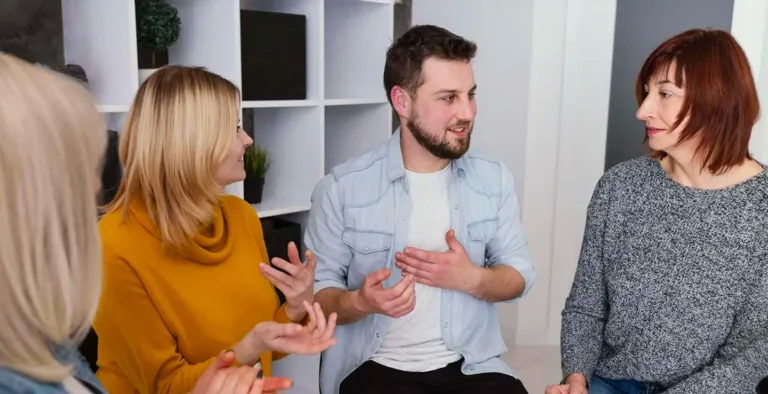
One-to-one therapy gives you space to keep working on what matters to you, as your therapist knows your history and your recovery so far. Group therapy gives you something different: time with people who’ve been where you are.
Both are equally as important part of our rehab aftercare programmes, available for up to two years after discharge.
Recovery coaching is a practical form of continuing care that sits alongside therapy. A coach works with you on goals, structure, and the day-to-day decisions that shape early recovery. You can read more on our rehab aftercare recovery coach page.
Not everyone can attend in person. Online therapy makes structured aftercare available wherever you are. This is useful if you completed residential treatment abroad, or if you live some distance from one of our clinics. We can build a remote support plan that includes one-to-one sessions, recovery coaching, and group work.
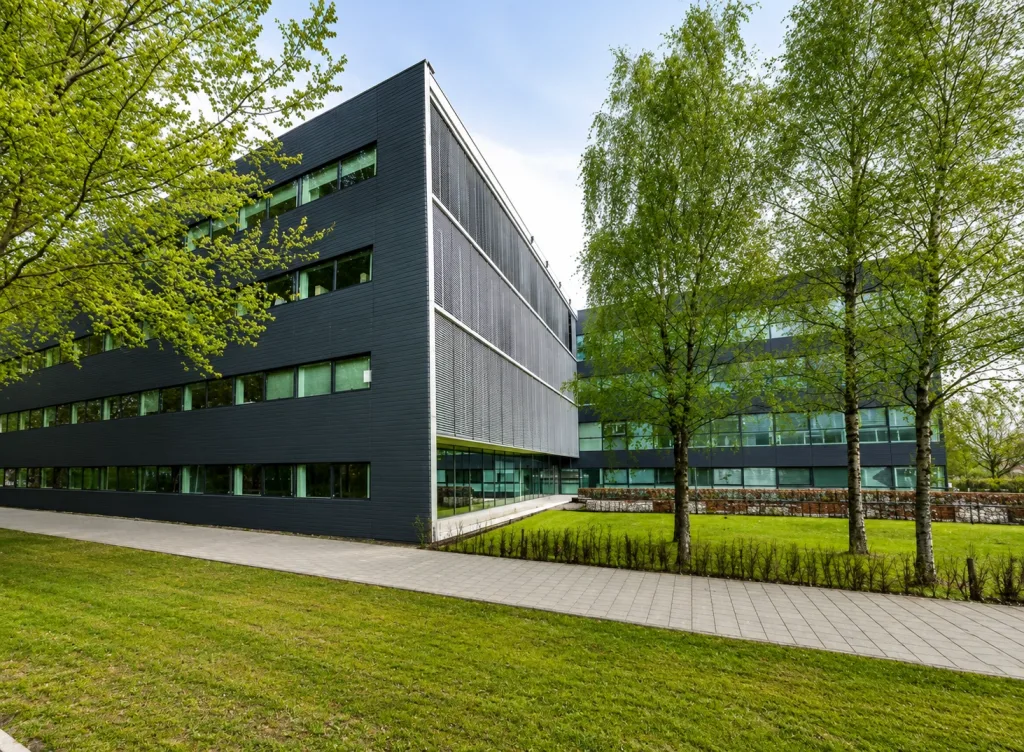
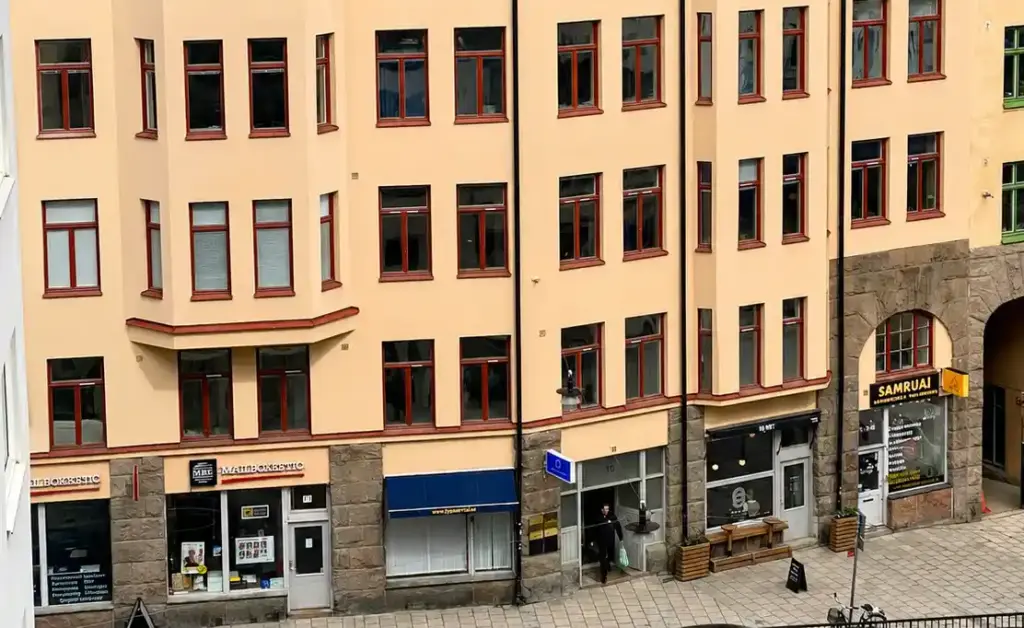
Our rehab aftercare programmes are accessible across the Castle Health network. In-person support is available at Castle Craig in Scotland, Smarmore Castle in Ireland, and Beroendekliniken in Sweden. Online sessions are open to people based anywhere in Europe.
One of the things that sets Castle Health apart is the scale of what we can offer after residential treatment. You can access aftercare across the entire network, whether you completed treatment with us or elsewhere. You can see where we operate on our locations page.
For people coming out of drug rehab aftercare or alcohol rehab aftercare, this kind of continuity matters. Recovery doesn’t always stay in one place and so neither does our support.
There’s no single template to a rehab aftercare plan. It’s built around your wants and your needs, drawing on the elements that match where you are in your recovery journey.
In practice, that usually starts with a conversation about what residential treatment looked like and what kind of structure would help now you’re home. From there we work out which combination of support is most appropriate. That might be individual therapy, recovery coaching, or remote support – or a combination, in whatever balance fits your life.
Plans are reviewed and adjusted. Recovery is not a fixed timetable, and your aftercare for rehab should not be either. We adjust the plan as the life you’re building changes shape.
If you are reading this because someone in your life has been through residential rehab, you are part of the picture too. The same applies if they are coming to the end of treatment.
We know how much weight family and friends carry during this period, and so we hold space for that in our aftercare offer through family therapy. We are also happy to talk through the options with you directly.
You can also read real stories from people who have been through this part of recovery on our experiences of life after rehab page.
If you would like to talk to someone about what rehab aftercare with Castle Health could look like for you, we are here. A first conversation is exactly that. It’s a conversation, not a commitment. You can call us, complete our enquiry form, or ask us to call you back at a time that suits.
There’s no fixed length. Individual and group therapy are available for up to two years after discharge. Recovery coaching and remote support can continue for longer where its useful. Duration is something we work out with you, based on what’s helping.
They are related, but they are not the same. Relapse prevention is one part of what aftercare does. Aftercare also covers the broader work of rebuilding life after treatment. That includes therapy, coaching, and the support of a community in similar circumstances. You can read more on our relapse prevention page.
Yes. Family therapy is part of our aftercare offer. We also provide information and conversation for family and friends who want to understand more about what the person in their life is going through.