Fentanyl can be both a prescription painkiller, and a drug linked to dependence across Europe and the USA.
With a prescription, fentanyl is a painkiller many times stronger than morphine, used for severe pain that other medicine hasn’t eased. A doctor sets your dose and reviews it, so you take only what you need.
Fentanyl is so strong that even a little too much can slow your breathing until it stops. But without a prescription, you can’t tell how much fentanyl is in a pill or powder, or what else it contains.
Fentanyl is also highly addictive, including for people who take it as prescribed. But fentanyl addiction is a treatable medical condition, not a verdict on the person. Recovery is realistic with the right support.
“Addictive behaviours are not the problem itself, but a meaningful response to deeper pain, and that with the right support, those patterns can be understood, softened, and ultimately changed.”

What is fentanyl?
Fentanyl is a synthetic opioid, a type of strong painkiller that acts on the brain and nervous system. Morphine is another strong opioid painkiller, and doctors use it for severe pain, such as after an operation or a serious injury.
The World Health Organization (WHO) describes fentanyl skin patches as 100 times the strength of morphine for pain relief, or 150 times by the manufacturers’ own figure.
What is fentanyl used for?
Doctors use fentanyl for pain from cancer and after surgery. It comes as an injection, a skin patch, a lozenge, a nasal spray or a tablet that dissolves in the mouth. Patches release fentanyl slowly over 72 hours. Tablets, lozenges and nasal sprays take about 15 to 30 minutes to work and wear off after 4 to 6 hours. Doctors sometimes use them for sudden flare-ups of cancer pain in people already taking strong painkillers, and only if other options haven’t worked.
Some people use fentanyl to get high or to help them sleep. The European Union Drugs Agency (EUDA) reports people injecting, smoking, eating or snorting used and unused patches, sometimes with fatal results.
How does fentanyl affect the brain and body?
Fentanyl works on opioid receptors in your brain and nervous system – the points on your cells that opioids attach to. When fentanyl attaches to them, it:
- Blocks pain signals
- Eases the anxiety and stress that pain can cause
- Produces euphoria – an unusually good mood
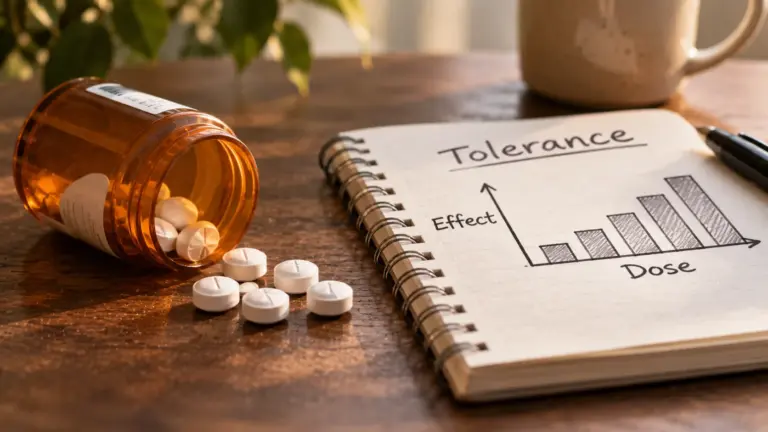
With regular use, your body can become used to fentanyl. The same dose then does less, so you need a higher dose to get the same effect. This is called tolerance.
Some people also become more sensitive to pain, a reaction called hyperalgesia.
Common fentanyl side effects include:
- drowsiness
- nausea and vomiting
- dizziness
- headache
- tiredness
- constipation
What are the signs of a fentanyl overdose?
A fentanyl overdose happens when opioids disrupt your brain’s ability to control breathing. Without quick treatment, it can be fatal.
Fentanyl becomes more dangerous if you take it with alcohol, heroin, cocaine or sedatives such as benzodiazepines.
The signs of a fentanyl overdose include
- weakness or limp limbs
- pale, blue or purple lips and fingernails
- cold and clammy skin
- slowed or stopped heartbeat and breathing
- snoring or gurgling sounds from the mouth
- tiny pupils (the black centre of the eye)
- unresponsive (can’t wake up)
- vomiting
If you see any of these signs, call 999 or 112 straight away. If you have naloxone, the emergency medicine for an opioid overdose, give it while you wait for the ambulance.
Fentanyl dependency and withdrawal
Fentanyl dependency can develop whether someone takes fentanyl on prescription or through illegal fentanyl abuse. Dependency means your body has come to rely on fentanyl to feel normal.
When dependent on fentanyl, stopping suddenly can produce withdrawal symptoms including:
- feeling agitated or anxious
- panic attacks
- feeling your heart beat (palpitations)
- difficulty sleeping
- shaking and sweating
- body aches and restlessness
Symptoms can start within a few hours of stopping suddenly, and are usually at their worst within 36 to 72 hours of stopping suddenly.
The main withdrawal passes within days or weeks.
WHO guidelines give 4 to 10 days of withdrawal for short-acting opioids such as heroin and 10 to 20 days for long-acting ones such as methadone. In people with addiction, some symptoms can last for several months.
Fentanyl is short-acting in some forms – such as lozenges – and longer-acting in others, such as the patch. Its effect on the brain can wear off quickly, but it moves into body fat and muscle and leaves the body slowly.
Researchers think regular use of illegal fentanyl may let it build up in the body, so it acts more like a long-acting opioid. In one US study, people who tested positive for fentanyl on arrival at an inpatient unit were still testing positive about 7 days later.
It’s best to stop fentanyl under supervised care. Researchers say fentanyl withdrawal isn’t as well understood as withdrawal from other opioids, and it can be uncomfortable and hard to predict.
Some people also start using again after a period without fentanyl. Tolerance falls during that time, and the same amount can then cause an overdose.
- 1 In England and Wales, over 1 in 100 drug-poisoning deaths registered in 2024 mentioned fentanyl on the death certificate. The ONS says figures for specific drugs are undercounts (Source: Office for National Statistics, 2025).
When to seek help for fentanyl addiction
There’s no set point at which fentanyl use needs treatment. If you notice any of these signs, it’s time to talk to someone.
- Wanting to use fentanyl more often than you need to
- Using more fentanyl than you meant to
- Wanting to stop or cut down but finding you can’t
- Carrying on because withdrawal feels worse than using
- Planning your day around getting or using fentanyl
Talk to your doctor if you’re worried about addiction or want to stop. If you’ve taken fentanyl on prescription for more than a few weeks, don’t stop without speaking to your doctor first.
How is fentanyl addiction treated?
Opioid addiction treatment usually starts with a supervised detox, and fentanyl addiction treatment works the same way. In medical detox for opioid withdrawal, buprenorphine and methadone can be used to ease withdrawal symptoms and cravings.
Naltrexone blocks the effects of opioids, and people can take it after detox.
Castle Health offers outpatient treatment, so you can live at home and fit sessions around work and family. If you need more support, residential treatment is available at Castle Craig in Scotland and Smarmore Castle in Ireland.
Treatment includes individual therapy, group work, recovery coaching, and relapse prevention planning. Talking therapies such as Cognitive Behavioural Therapy (CBT) and one-to-one counselling can help you understand what’s behind your fentanyl use and find other ways to cope.
You can move from online sessions back to outpatient or residential care if your needs change.
Read more in our comprehensive guide to outpatient addiction treatment.
After a residential programme, there’s online aftercare with therapists and recovery coaches.
Fentanyl addiction is treated in much the same way as other opioid dependencies
If someone in your life is using fentanyl
If you’re close to someone using fentanyl, you may see them unusually drowsy, or using more than they used to. This can be worrying, especially if you know the dangers of fentanyl.
When you talk to them, do it in private and start with what you’ve seen. Ask how they are before you offer any advice, then ask whether they’d like help to stop. Let them decide how much to share.
If they say yes, suggest a supervised detox through their GP or Castle Health, so they have medical support while they stop. If the answer is not yet, tell them you’ll ask again and keep the naloxone within reach.
Castle Health offers online family therapy sessions, and Castle Craig runs an online Family Recovery Workshop once a month for close family members. Read more about treating opioid dependency.
In the UK, local services can supply naloxone, with training, to family and friends who might need it.
We’ve helped many people turn their lives around
Frequently asked questions about what fentanyl is
What are the common brand and street names for fentanyl?
According to the EUDA, the brand names for prescription fentanyl include Sublimaze (injection), Durogesic (patch), Actiq (lozenge) and Effentora (tablet). Street names include China White, Apache, China Girl, Dance Fever, Tango and Cash, and TNT.
What does fentanyl look like?
Fentanyl is a white powder. Illegal forms include a light yellow powder and thin pieces of cardboard soaked in fentanyl, known as paper trips.
What should I do if I think someone is overdosing on fentanyl?
Phone 999 or 112 straight away. If they’re not breathing, start CPR. If they’re breathing, lay them on their side so they don’t choke. If you have naloxone, give it as soon as you can. It wears off quickly, so you still need an ambulance, and you may need to give another dose. Stay with them until the ambulance arrives and tell the medics what they took.
How quickly can someone become dependent on fentanyl?
Tolerance and dependence develop rapidly after repeated use. The EUDA doesn’t give a number of days. If you’re concerned, speak to a doctor or get in touch with Castle Health.