



Page last updated
Wednesday 9th Sep 2026

Page written on 9th September 2026 by
Victoria McCann, Communications Director
Therapy is at the heart of everything we do at Castle Health. Our treatment programmes include various therapy types, with an approach built over four decades of treating addiction. Most people researching rehab start by looking at detox. But while detox is often the first step, it doesn’t address addiction alone.
During addiction rehab, therapy is where the deeper work happens. It’s where you learn what’s really behind the addiction, and build the foundations for lasting recovery.
The question most ask is how the different therapy types work together. We use evidence-based approaches including cognitive behavioural therapy, group therapy, and 12 Step facilitation. Each person’s therapy programme is designed and delivered around their unique needs.
The therapy types used in addiction treatment at Castle Health
The therapy mix for each person is shaped after a thorough clinical assessment. The combination depends on the individual, shaped by assessment rather than a standard checklist.








“I contacted Castle Health [formerly CATCH Recovery] with a view to getting online support after a period in rehab. They recommended recovery coaching and arranged for me to meet my coach in person as the first of 10 meetings. I continued the coaching on Zoom as I live in France. I was very happy with my 10 sessions and feel I am in a good place to continue my recovery.”

Why therapy is essential in addiction treatment
Detox helps clear the substance from the body, but the thinking patterns and emotional triggers that drove the use remain. It in itself doesn’t address the addictive behaviour
Addiction is a chronic disorder characterised by compulsive use despite harmful consequences. This definition moves the question from willpower to treatment.
Behavioural therapies help people modify the thinking and responses that drive substance use and activities like gambling. Therapies can also “enhance the effectiveness of medications and help people remain in treatment longer.” Different therapy types complement and reinforce each other across the course of treatment.
The relationship between addiction and mental health is built into how we work. According to UK government treatment statistics for 2024–25, almost three-quarters of adults starting treatment reported a mental health treatment need.

OUR LOCATIONS
Locations designed to support your recovery
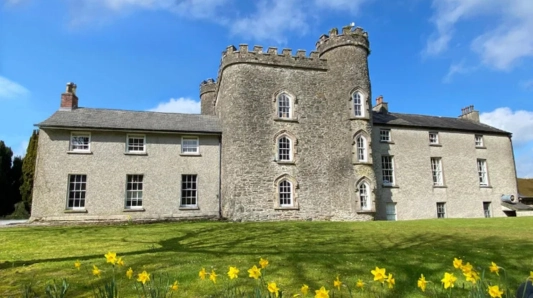
Residential therapy happens inside a community, not just in a consulting room. Castle Craig in Scotland, Smarmore Castle in Ireland, and Beroendeklinik in Sweden each offer a residential environment where the therapeutic day is structured, supported, and immersive. The location becomes part of the treatment.





How different therapy types work together in a programme
Many people researching different therapies want to know how they fit together. Castle Health’s therapy programmes are sequenced deliberately so that each therapy type builds on the last.

A typical day in treatment
For instance:
- A morning of individual therapy may surface something personal
- A group session that follows gives a live environment to discuss that new insight and see how others relate
- A 12 Step session later in the week is a chance for keeping each other accountable and building a community
CBT and DBT may also run alongside individual and group work:
- CBT addresses the thinking patterns linked to substance use
- DBT builds the emotional skills needed to tolerate difficult feelings without reaching for something to numb them.
In a structured residential week, each type of therapy reinforces the others
Recovery Hub
Learn more about therapy in addiction recovery




Therapy for addiction alongside mental health conditions
For many people in treatment, addiction and a mental health condition are present at the same time. This is called a dual diagnosis. According to the UK government’s adult substance misuse treatment statistics for 2024 to 2025, almost 75% of adults starting treatment in England reported a mental health treatment need. Anxiety, depression, and trauma-related conditions are the most common dual diagnoses with addiction.
The therapy types used at Castle Health are not only evidence-based for addiction. CBT, DBT, and EMDR are all used to help manage mood disorders and trauma too. In a dual diagnosis programme, the therapy mix addresses all conditions within the same course of treatment.
Find out more about how addiction and mental health conditions are treated together at Castle Health.

Choosing the right kinds of therapy for your recovery
There’s no single best therapy for addiction. What works depends on individual histories, mental health, and what’s been tried before.
The therapy mix is decided by a clinical team that reviews your treatment regularly throughout your stay, and the kinds of therapy you are offered can change as your needs become clearer. What you need in week two is often different from what you need in week six.

Starting therapy treatment at Castle Health
The admissions process at Castle Health begins with a conversation. There is no commitment required to have it – only a willingness to talk through what treatment might look like and whether it fits.
Our clinical team works with each person to understand their history, their circumstances, and what a programme built around their needs would involve. That conversation is where treatment planning begins, and it is available to anyone considering their options, at whatever stage they are at.

Success Stories
We’ve helped many people turn their lives around
Get help today
Take the first step in your recovery journey
We are here to listen, guide and help you every step of the way. Call us today and together we can find a solution that suits you.
Our admissions process is confidential and designed to suit and support you and your circumstances. Find out more about the Admissions process.
Telephone
From the UK: 0131 287 4071
International: +44 (131) 287 4071
Care to the highest standards
Committed to quality care
Frequently asked questions about types of therapy
Are somatic therapy types used in addiction treatment?
Somatic approaches, body-based therapies such as breathwork, somatic experiencing, and trauma-informed movement, are used in some addiction treatment programmes. They’re particularly useful where trauma is part of someone’s history, because trauma has a physical dimension that talking therapies alone don’t always reach.
Which therapy types help with depression alongside addiction?
CBT, DBT, and EMDR all have strong clinical evidence for co-occurring depression and addiction. In a dual diagnosis programme, the therapy mix addresses both within the same course of treatment. Find out more about how addiction and mental health conditions are treated together.
Which therapy types are used to treat anxiety in recovery?
CBT is one of the most widely used therapy treatments for anxiety. In addiction recovery, it helps identify the situations and thought patterns that trigger both anxiety and cravings, and builds skills to respond differently.
Can I continue with the same therapy types after I leave treatment?
Many people continue with individual therapy or CBT after leaving residential treatment. At Castle Craig, leaving the programme marks the start of a continuing care phase, not the end of support. We connect people with partner services for ongoing therapy, online continuing care, and local outpatient options. The goal is to make sure what you’ve built in treatment works when ordinary life puts it under pressure.