Inhalant addiction involves products most homes already have, such as spray cans and nail polish remover. Their fumes can create a short-lived high, but they can be immediately dangerous.
Becoming increasingly preoccupied with obtaining drugs is a telltale sign of addiction. But when you can buy the drugs from your local shop, the signs become harder to spot.
Castle Health can diagnose inhalant addiction and provide an effective plan for treatment. Understanding what the signs and symptoms of inhalant addiction look like can help you decide whether that treatment is needed.
What is inhalant addiction?
Inhalants are everyday products with fumes that people breathe in to feel high or drunk. People often call this huffing. They are generally sorted into four types:
- Solvents, including paint thinner, glue, and dry-cleaning fluid.
- Aerosols, such as spray paint.
- Gases, including propane and nitrous oxide, the gas in whipped cream dispensers.
- Nitrites, which are chemicals sold in small bottles as poppers.
Inhalant addiction is generally defined as having a strong desire to continue huffing inhalants despite the harm it causes. You may also hear the terms inhalant use disorder, volatile inhalant dependence, or huffing addiction.
Various shops sell inhalants for everyday things, so many people don’t think of them as drugs, or underestimate the risk of using them to get high.
How does an addiction to inhalants develop?
The high from most inhalants lasts only a few minutes, so people huff them again and again, often for hours. NIDA suggests many people feel a strong need to carry on, even when they want to stop.
Addiction to inhalants is relatively uncommon, but it can happen with repeated use. Even people who use them occasionally can harm their health. Doctors look for signs of dependence like using more than you planned, getting strong cravings, spending a lot of time on inhalants, needing more to get the same effect, and compulsive use despite problems in your life.
Read about how drug addiction develops and what makes it different from casual use.
Signs and symptoms of inhalant abuse
Using an inhalant to get high is sometimes called inhalant abuse. You may also see the term inhalant abuse treatment. At Castle Health, we prefer to talk about inhalant use.
No single sign proves someone uses inhalants, because the effects can look like being drunk or just sleepy. Lab tests for inhalants are limited, but you can see or smell some signs.
- A chemical smell on the breath or clothes
- Paint or other stains on the skin or clothes
- Spots or sores around the mouth from the chemicals drying out the skin
- Red eyes or a runny nose
- Poor coordination or an unsteady walk
- A dazed look or slurred speech
- Hidden empty containers or chemical-soaked rags
Other signs are changes in how someone feels and acts.
- Irritability or anxiety
- Low mood
- Loss of appetite or feeling sick
- Trouble sleeping
- Headaches or dizziness
How inhalant abuse can affect your health
Inhalants can affect your mental health and physical health.
They can upset the heart’s rhythm – and sometimes stop it altogether. This can happen even the first time someone uses them. This is sometimes called sudden sniffing death.
Breathing can also stop. When some people use a plastic bag – a common method of huffing – this can result in suffocation.
Longer-term inhalant use can damage the heart, lungs, liver, and kidneys. Some of that damage can heal once someone stops, but some can’t. Inhalants can also harm a baby in the womb.
Toluene found in some solvents can damage the brain and the coating around nerve fibres, harming thinking and movement.
Nitrous oxide can stop vitamin B12 from working, causing numbness and balance problems.
Poppers can lower blood pressure, and some people lose central vision after using them.
Butane and propane can cause flash fires and burns.
Researchers also link long-term use with depression and anxiety. Read more about how drugs affect your mental health.
What does inhalant withdrawal look like?
The World Health Organization lists inhalant withdrawal as a condition, but it’s less well studied than withdrawal from some other substances, and reports of how long it lasts vary.
Symptoms can include:
- Nausea
- Sweating
- Trouble sleeping
- Mood changes
- Shaking and seizures.
These may vary depending on the specific inhalant.
If you’ve used inhalants regularly for a long time, talk to a doctor before you stop, because they can treat the symptoms and keep an eye on you. If someone has a seizure, treat it as a medical emergency.
“I want everyone struggling with addiction to know – you are not alone.”

When should you seek help for inhalant addiction?
There’s no set point when you have to ask for help, but if any of these sound familiar, it’s a good time to talk to someone.
- You’ve tried to stop or cut down, and couldn’t.
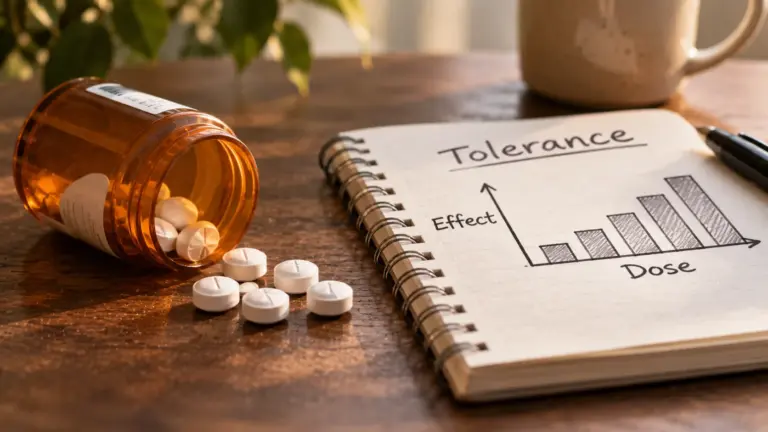
- You use more than you used to because of growing tolerance.
- Your work or relationships are being affected by inhalants.
- You hide how much you use, or plan your days around it.
- You’ve given up things you used to enjoy.
- You’ve had a health scare linked to using.
You can start with your family doctor or someone you trust, or contact Castle Health.
Urgent help
If someone has collapsed, can’t be woken, has trouble breathing, or is having a seizure after using inhalants, call 112, or 999 in the UK and Ireland, straight away.
How is inhalant addiction treated?
At Castle Health, inhalant addiction treatment starts with a full assessment. Treatment centres on talking therapies, with medical support when you need it.
Our treatment options for drug addiction include treatment online or as an outpatient, where you live at home and come to sessions. Find out how outpatient treatment for inhalant addiction works.
We also offer inhalant rehab as a residential stay, at Castle Craig in Scotland or Smarmore Castle in Ireland. It suits people who need medical care through withdrawal, or time away from home.
Our treatment includes Cognitive Behavioural Therapy (CBT) to help you spot the thoughts behind using, and Dialectical Behaviour Therapy to help you handle strong feelings. We also provide family therapy, 12-Step, and holistic approaches.
If you have co-occurring mental health challenges, we will treat them alongside inhalant addiction. This is usually the most effective way due to the link between addiction and mental health.
After treatment ends, our continuing care programme supports your inhalant recovery online and through local clinics in some places. If you have a setback, as many people do, we adjust the plan with you.
Not sure what the next step is
You can call us to talk it through.
Worried about someone in your life?
If a relative or friend is using inhalants, you might first notice a chemical smell or paint on their clothes. Both have everyday explanations, so it’s easy to doubt yourself and say nothing.
If you decide to talk to them about it, wait until they’re sober and calm, then start with what you’ve noticed and ask how they are. Confronting someone usually doesn’t work, and with inhalants, a row can be dangerous.
You can talk to us before they’re ready for treatment, and we offer family therapy when they are.
Re-Solv, a UK charity, says excitement from some inhalants can stop the heart for hours after the high has gone. So if you find them high or unwell, get help straight away and don’t argue with them, scare them, chase them or make them run.
- 6.4 The European Union Drugs Agency reports that 6.4% of 15 to 16-year-olds in 37 countries said they’d tried inhalants at least once in a 2024 school survey.
We’ve helped many people turn their lives around
Frequently asked questions about inhalant addiction
What are the warning signs of inhalant abuse in teenagers?
You may notice a chemical smell on their breath or clothes, paint stains, mouth sores, or red eyes. They may seem dazed or unsteady, or hide empty cans and chemical-soaked rags. Mood changes and trouble paying attention can be signs, though they’re easy to put down to being a teenager.
Can inhalant abuse cause permanent brain damage?
Sometimes, and it depends on the product and how long someone has used it. Some effects improve after someone stops using toluene, a solvent found in paint thinner and in some nail polish removers and glues. But even after a long break, people can still have problems with learning and memory.
What is sudden sniffing death syndrome?
Sudden sniffing death is when the heart or breathing stops during or soon after using an inhalant. Some inhalants, such as butane and aerosol sprays, make the heart more sensitive to adrenaline, so a fright or a burst of effort can set off a dangerous heart rhythm. If people nearby start cardiopulmonary resuscitation (CPR) quickly and use a defibrillator, survival is far better than in most cardiac arrests.
Call your local emergency number and start CPR if you know how.
What to do next?
You can start with any of these.
- Talk to your GP, or call a support line such as Samaritans (116 123 in the UK and Ireland) if you’re in distress.
- Speak to our team in confidence. You don’t need a referral, and you aren’t committing to anything.
- Look at our online treatment options for inhalant addiction.
If you stop and then start again, you can come back to us.