


Page last updated
Tuesday 21st Jul 2026

Page written by
Victoria McCann, Communications Director

Clinically reviewed by
Ralf Warren, General Practitioner
When someone has been using drugs or alcohol heavily for a long time, the body adjusts to functioning with that substance present. Stopping can cause withdrawal symptoms that range from uncomfortable to medically serious.
Medical detox helps you get through this safely. A dedicated clinical team monitors you, helps to manage your symptoms, and make the process as comfortable and safe as possible.





I’m 5 years sober now and I know I wouldn’t have survived another month before I joined the treatment programme. Castle Craig is an amazingly special place where miracles really do happen, I’m blessed to have found you.

Expert medical care
What is medical detox?
Medical detox for substance misuse is the process of clearing drugs or alcohol from the body under clinical supervision. A doctor-led team of nurses and clinical staff monitor the person throughout, manage withdrawal symptoms, and prescribes medication where needed.
It’s the first stage for people who are physically dependent on a substance – which is where the body has adapted to functioning with the drug or alcohol present. When that substance is removed, the body has to readjust, and that process produces withdrawal symptoms.
It’s important to understand what detox does and doesn’t do:
- It gets someone safely through the physical process of stopping. This this can range from a few days to several weeks, depending on the substance being used and the nature of the addiction.
- It doesn’t address the psychological reasons behind the addiction. That’s what therapy is for, and it’s why detox is always the start of treatment rather than the all of it.

What happens during a medically supervised detox?
The first thing we do is a full clinical assessment. A doctor will look at your history with substances, physical health, and any mental health challenges or requirements. This helps us create your detox plan, including any medication you might need and how closely we should monitor you.
The process involves three stages:
Assessment
Before detox starts, our clinical team reviews your health in detail. We look at what substances you’ve used, for how long, and any other medical or mental health issues. Your detox plan is based on this information.
Medical monitoring and medication
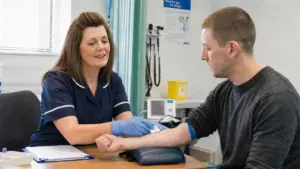
Throughout detox, a clinical team checks on you regularly. They’ll monitor vital signs, including your heart rate, blood pressure, and temperature, and administer medication to help with withdrawal symptoms.
The type of medication depends on the substance. For alcohol withdrawal, for example, we may use benzodiazepines. For opioid withdrawal, medicines like buprenorphine may be used.
Transition to therapy
Once the physical withdrawal has passed and the clinical team is satisfied it’s safe to move forward, you’ll move into the therapeutic part of treatment. Handling the physical symptoms first means you’ll be ready to take part in therapy when it begins.
Our locations
Locations designed to support drug and alcohol addiction recovery
With private locations across the UK and Europe, we provide care in settings that suit different needs and stages.






Signs you or a loved one may need medical detox
Not everyone who stops using drugs or alcohol needs a full medical detox. But if any of the following have happened when trying to cut down or stop, medical supervision may be needed.
Physical signs of withdrawal
- Shaking or tremors
- Nausea or vomiting
- Heavy sweating
- Muscle cramps
- Rapid heartbeat
Psychological signs of withdrawal
- Severe anxiety
- Paranoia, or seeing and hearing things that others don’t
- Extreme irritability
- Insomnia
- Agitation
With alcohol and benzodiazepines, withdrawal can cause seizures and become life-threatening without medical support. The same is true for opiate drug detox, where symptoms can be severe enough to make stopping alone very difficult.
If any of this sounds familiar, don’t stop anything suddenly without speaking to a doctor.

Want more detox info?
Contact our friendly team for more information on our medical detox services.
Why detox is combined with treatment for safe withdrawal
Detox for addiction on its own can sometimes leave people feeling emotionally unsupported. Studies show that better results can come from combining detox with rehab therapy.
This is because substance misuse detox by itself doesn’t address the behavioural, psychological, or social issues behind addiction. So while Detox removes the substance from your body, the reasons for becoming dependent don’t disappear after withdrawal ends.
At Castle Health, inpatient treatment follows detox as part of a continuous programme.

Detox at Castle Health: clinical care and compassion
The idea of going through detox can feel daunting, but our team at Castle Health has been helping people through it safely for over 40 years, through:
Dedicated detox units
You’ll be cared for in a specialist unit where clinicians are there around the clock. Withdrawal can change quickly, and having experienced medical staff with you means anything that needs attention is picked up and dealt with straight away.
Trauma-informed care
For many people, addiction is connected to things that have happened in the past. Our team understands this and so the care received during detox reflects that. We never treat our patients as a set of symptoms.
Dual-diagnosis support
If you’re also living with anxiety, depression, or another mental health condition, it’s imperative that we don’t put that to one side during detox. Our team supports both at the same time.
Recovery hub
Castle Health Insights & Resources




Success Stories
We’ve helped many people turn their lives around
Get help today
Starting your detox at Castle Health
When you call, you’ll speak privately with someone from our admissions team. They’ll ask some straightforward questions, answer yours, and talk you through what the process looks like.
To prepare for admission, we’ll ask for some basic information including your medical history, current medications, and any previous treatment for addiction or mental health. Our team will guide you through what’s needed.
Admission is confidential and, depending on availability, we can sometimes admit people within 48 hours. If you’d like family members to be involved, our team is happy to talk through how that can work.
Telephone
From the UK: 01721 360 045
International: +44 1721 360 045
Care to the highest standards
Committed to quality care
Common myths and questions people commonly have about detox
What is detox in addiction treatment?
Medical detox is the supervised process of withdrawing safely from drugs or alcohol. A clinical team monitors your symptoms, prescribes medication where needed, and makes sure the process is as safe as possible.
Detox doesn’t treat addiction itself – it’s simply the first stage of a wider treatment process that includes therapy and ongoing support.
Is detox painful?
Some people feel physical discomfort during detox, while others find the mental side harder, such as feeling anxious or low. It all depends on the substance, how long it’s been used, and your overall health.
Symptoms, comfort and wellbeing are managed throughout the process with appropriate medical support.
How long does it take to detox from alcohol or drugs?
It depends on the substance and the person. Most acute withdrawal phases last between three and ten days.
Alcohol detox typically takes several days, whereas opiate drug detox can take longer, sometimes several weeks, depending on the substance and length of use.
Your detox plan is built around your specific situation rather than a fixed timeline.
Can I detox at home?
In most cases, detoxing at home without medical support isn’t safe. Withdrawal from alcohol and some drugs can cause serious complications, including seizures. If you’re physically dependent on a substance, medical supervision during detox is strongly recommended.
What happens after detox?
At Castle Health, detox is followed by inpatient treatment, a programme of therapy, mental health support, and planning for what comes after treatment ends. This addresses the psychological side of addiction and gives people practical tools for maintaining sobriety once they leave.