Hallucinogen addiction is easy to miss because hallucinogens don’t usually cause cravings or physical withdrawal. It usually gets put down to a phase or harmless experimentation, even when the person using has tried to quit and can’t.
If you’re the one using hallucinogens, it’s easy to dismiss a growing problem when it hasn’t made you ill and feels like your own choice. If you’re watching someone close to you, they may be functioning just fine on the surface.
But whether it’s you or someone in your life, hallucinogen addiction can start to cause many of the same problems as other types of drug addiction. Effective treatment depends on the type of hallucinogenic drug and what’s behind the use.
I contacted Castle Health [formerly CATCH Recovery] seeking guidance and options to support a relative who was having a difficult time both with addiction and other mental health concerns. The team were incredibly kind and informed, they took the time to go through all the options with me and helped us plan how to approach the matter. Fortunately the person has now been receiving care from [CATCH] for several months and is doing really well. A big thank you to the wonderful team! I would highly recommend this service.

What is a hallucinogenic drug?
Hallucinogens, sometimes called hallucination drugs, change how you see, hear, feel, and think.
- LSD, or acid: made from a chemical in a rye fungus
- Magic mushrooms: which contain psilocybin and are eaten raw or as tea
- Ketamine: an anaesthetic that can make you feel detached from your body
- DMT: found in Amazonian plants and drunk as ayahuasca tea
- Mescaline: the main ingredient in the peyote cactus, also made in labs
What is hallucinogen addiction?
Addiction is where someone keeps going back to something even when it’s causing them harm.
Hallucinogenic addiction, also called hallucinogen use disorder and sometimes misspelled hallucinogenic addiction, is a little different from other forms of drug addiction.
Some drugs can create physical dependency, but people usually return to hallucinogens for the trip itself. Hallucinogens may provide a temporary escape from difficult emotions or life situations, or a sense of enlightenment, or otherworldly experiences.
LSD and magic mushrooms are known as ‘classic hallucinogens’. The Centre for Addiction and Mental Health says people who stop using them don’t usually go into withdrawal. The manual doctors use to diagnose addiction lists 11 signs of addiction, including withdrawal. But it doesn’t list withdrawal for hallucinogens, so doctors can diagnose hallucinogen addiction without it.
Some people might come to feel they need hallucinogens – a state known as psychological dependence. It’s uncommon with the classic ones, which don’t typically lead to compulsive use
A 2026 review in the British Journal of Hospital Medicine found that ketamine use can lead to dependence. There are people who experience withdrawal symptoms like anxiety and depression, though strong physical withdrawal symptoms are rare.
Signs of hallucinogen addiction
Addiction starts when the use begins to take up most of your time and energy. There are a few signs to be aware of.
- Thinking about the next experience a lot, or planning your week around using hallucinogens
- Using more often, or more at a time, than you meant to
- Trying to repeat one particular experience you had before
- Losing interest in things you used to enjoy, like hobbies or seeing friends
- Hiding or downplaying how much you use
- Carrying on even though it’s causing you problems
Doctors look at how many signs fit and how much they affect your life when diagnosing an addiction.
Risks of hallucinogen use and addiction
Drugs can affect your mental health and physical health in different ways. The effects of hallucinogens change with the drug, the dose, your mood, and where you are. You can’t always know what a street drug contains, and using a hallucinogen with alcohol or other drugs makes harm more likely. A trip can turn frightening, and you might become confused and take risks that lead to accidents.
Some people keep seeing visual changes, like halos around lights and trails behind moving objects, for months or years. Doctors call this hallucinogen persisting perception disorder, or HPPD. HPPD is rare, but can start after a single use.
One US survey found more recent symptoms of psychosis among people with a family history of psychosis or bipolar disorder who had used drugs like LSD. Another survey of 3,525 US university students found that students who used hallucinogens were more likely to use other drugs. It’s worth noting that neither of these surveys confirm cause and effect.
Ketamine causes physical harm that other hallucinogens usually don’t. It can damage the bladder, and the British Association of Urological Surgeons says that about three in ten ketamine users get ketamine urinary tract syndrome, which also affects the kidneys. Some damage can be permanent if left untreated, but stopping early gives your bladder the best chance to heal.
When to seek help for hallucinogen addiction
You don’t need to be sure it’s an addiction, or be at a crisis point, to ask for help. Any of these is a good reason to talk to a doctor or to Castle Health.
- You want to stop and can’t.
- You use hallucinogens to escape how you feel.
- Visual changes or low mood haven’t settled since you last used.
- You’re using alongside alcohol or other drugs.
- Someone close to you has said they’re worried.
A doctor can check whether something else is causing these issues or if you need help for hallucinogen addiction.
If you or someone else is terrified, deeply confused, in danger, or thinking about self-harm, call 999 or 112 for urgent medical help.
How is hallucinogen addiction treated?
Hallucinogen addiction treatment starts with an assessment. A specialist asks about your use and anything else you take. If you also have depression or anxiety alongside a substance use disorder, it’s called dual diagnosis. Treatment should cover both at the same time because they are closely linked.
You don’t usually need a medical detox from the classic hallucinogens, but a clinician may decide you need one if you use alcohol or other drugs as well. Ketamine withdrawal can cause anxiety, irritability, low mood, and poor sleep, which may need extra support. You can read more about ketamine detox and withdrawal and ketamine addiction treatment.
Castle Health offers outpatient treatment, where you stay at home, and residential treatment, where you stay at one of our centres. Your assessment helps decide which one suits you. How long treatment takes depends on your needs, and we adjust your plan as you go.
Talking therapy is the main treatment for most drugs, because few have a medicine made for them. At Castle Health, the types of therapy we offer include:
- Cognitive Behavioural Therapy (CBT)
- Dialectical Behaviour Therapy (DBT)
- 12-step work
- Family therapy
- Yoga, meditation, and mindfulness.
Many people have setbacks during recovery, and our continuing care programme keeps supporting you after the main treatment ends.
If any of this feels familiar, either for yourself or someone you know, you don’t have to work it out alone.
If someone you know needs help with hallucinogen addiction
When someone in your life is using hallucinogens, it can be hard to trust your own judgement. They may not look ill, and if they only use now and then, you may wonder whether anything is wrong at all.
If a few of the signs of hallucinogen addiction fit them, that’s reason enough to say something. Pick a day when they haven’t used, and start with changes you’ve seen, such as the friends they’ve dropped or how low they seem after using.
Our team can talk through what you’ve noticed and help you plan what to say, even before the person you’re worried about is ready for treatment. Once they are, family therapy brings everyone together with a therapist to guide the conversation. Our resources for families help you through the recovery process and prepare you for supporting the person after treatment.
We’ve helped many people turn their lives around
Frequently asked questions about hallucinogen addiction
What are the signs of dependence on psychedelic substances?
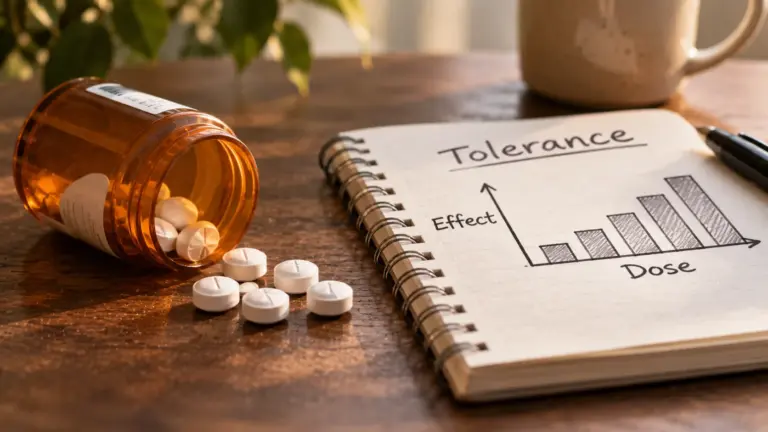
The main signs are feeling like you can’t do without psychedelics and finding it hard to cut down. With ketamine, you may also notice physical signs such as growing tolerance, where repeated use dulls the effect.
Can I get a prescription medication for treating hallucinogen addiction?
Treatment for hallucinogens addiction is mostly talking therapy. For ketamine, doctors sometimes use unlicensed medicines to ease withdrawal, though the evidence is limited and mostly comes from case reports.
How effective are online therapy platforms for hallucinogen addiction?
Online therapy works well for some people. Our team can talk you through whether it would suit you.
Is state-funded treatment available for hallucinogen addiction?
Whether treatment is state-funded depends on where you live. A GP or your local health service can tell you what’s available near you.
What should I look for in a rehab centre for hallucinogen addiction?
When you look into hallucinogens rehab, ask how the centre assesses your mental health and other substance use, what therapies it offers, what it costs, and what support follows. We can answer each of these when you get in touch.
What’s next?
Start with whichever step feels most manageable.
- Write down what you’ve noticed and how often it happens, in your own words, so you can describe it clearly to someone else.
- Talk to your GP or someone you trust about how hallucinogens are affecting your life and your health.
- Get in touch at any point. A call with us doesn’t commit you to anything, and you decide what happens next. We’ll listen and talk through your options for hallucinogen addiction treatment, without judgement.