The effect of alcohol on health becomes more serious the longer and more volume you drink
Heavy or frequent drinking can be detrimental to physical and mental health, and may point to dependence or addiction.
If you are concerned about your own drinking, or about someone in your life, learn more about the risks and when to seek help.
What is the effect of alcohol on health?
Alcohol is a psychoactive and toxic substance. It produces changes in brain function and, with repeated use, the body can come to rely on it.
Alcohol can impact the liver and heart, as well as sleep, mood, and the way you interact with people around you. Because the changes tend to happen slowly, individuals often don’t notice them until they’re already well established.
The health risks of alcohol increase with heavy drinking, and may lead to alcohol addiction and dependence. These are dangerous conditions which require professional medical support.
How alcohol affects the body
As your body breaks alcohol down, it produces a substance called acetaldehyde, which causes inflammation in multiple organs, including the brain. If you drink a lot over a long period, and that inflammation accumulates, affecting different parts of the body.
Short-term effects of alcohol on health
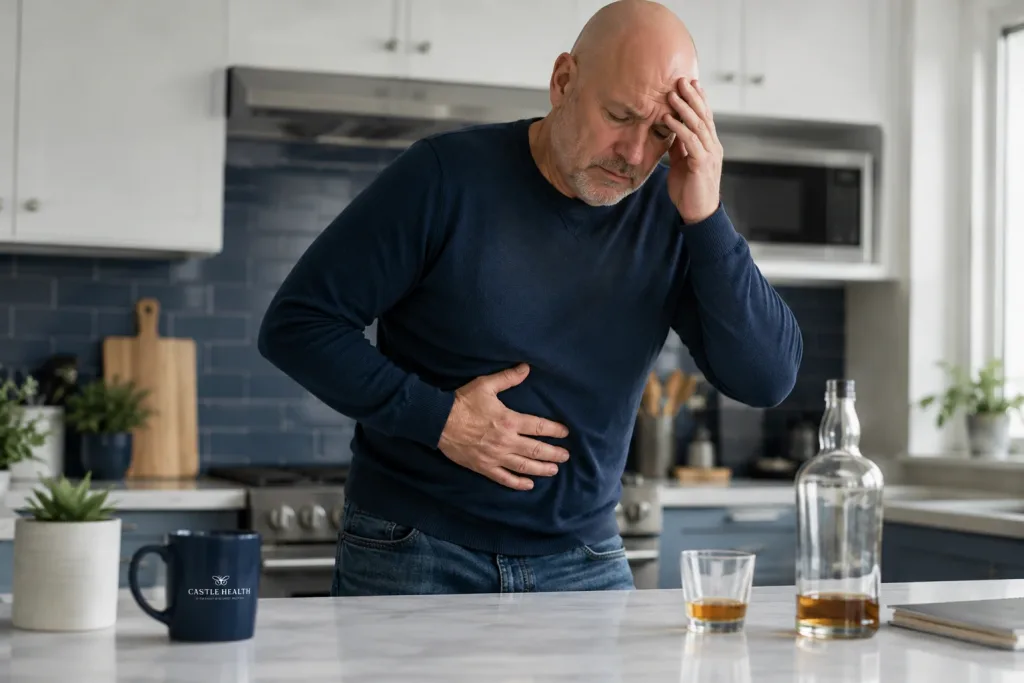
Alcohol reaches the brain within minutes. After a few drinks, you may feel relaxed or sociable, but beyond a certain point, there are many negative effects.
- Slowed reaction times and poor coordination
- Impaired judgment and increased risk-takings
- Nausea, vomiting, and headache
- Memory gaps
- In severe cases, alcohol poisoning
Binge drinking is defined as eight or more units in a single session for men, and six or more for women. It can raise the risk of accidents and injury.
This is because very large amounts, consumed quickly, can lead to alcohol poisoning – a medical emergency.
If someone is unresponsive or breathing irregularly after drinking, call 999.
Long-term health risks of alcohol
According to the WHO, 2.6 million deaths globally were attributable to alcohol consumption in 2019. The European Region had the highest rates of alcohol-related deaths, at almost 53 deaths per 100,000 people.
Regular heavy drinking is associated with:
- Liver disease, including fatty liver, hepatitis, cirrhosis, and liver cancer
- Cardiovascular problems, including high blood pressure, irregular heart rhythm, and stroke
- Increased cancer risk. Alcohol is an established carcinogen. In 2019, 4.4% of cancers diagnosed globally were attributed to alcohol consumption, including breast, liver, bowel, and oesophageal cancers
- Pancreatitis – a condition that requires urgent medical treatment, where your pancreas suddenly becomes swollen and painful.
- Nerve damage and, in severe cases, Wernicke-Korsakoff syndrome, a serious brain disorder caused by thiamine (vitamin B1) deficiency that can result in confusion, memory loss, and loss of coordination
NHS Inform notes that the more regularly you drink above the low-risk guidelines, the higher your risk of developing these conditions.
The effect of alcohol on mental health and behaviour
Many people drink to unwind or manage anxiety, and in the short term, alcohol can feel like it helps. But alcohol upsets the brain’s chemical balance. This can worsen those feelings, and cause new mental health or behavioral challenges.
Long-term effect of alcohol on mental health
Ongoing heavy drinking can contribute to depression, anxiety, sleep problems, and, in some cases, suicidal thoughts. Alcohol withdrawal causes similar symptoms. When someone cuts down or stops drinking, those feelings can return stronger than before.
If you or someone in your life is having thoughts of suicide, please contact NHS 111 or the Samaritans on 116 123.
Effect of alcohol on behaviour and relationships
Alcohol loosens impulse control and affects how people treat those around them. According to the WHO and NHS Inform, harmful levels of long-term alcohol use are linked to family challenges, difficulties at work, financial strain, and social isolation.
Interested to learn more about alcohol addiction?
When does drinking become a health risk?
There’s no fixed threshold, but certain patterns suggest that you may be putting your health at risk.
Signs alcohol may be affecting your health
- You feel anxious or unable to sleep when you stop drinking
- Your energy or mood has deteriorated
- You’re putting on weight
- You experience aches or pains in your chest and other parts of your body
Alcohol dependence, withdrawal, and detox risk
If you’ve been drinking heavily for a long time, your body may have adapted to depend on it. This is alcohol dependence. When someone dependent on alcohol stops suddenly, the body goes into withdrawal. This can cause shaking, sweating, nausea, anxiety and, in serious cases, fatal seizures.
Alcohol withdrawal delirium, formerly known as delirium tremens, is the most severe form of withdrawal. It can cause fever, hallucinations, agitation, and disorientation. Symptoms can emerge anywhere from three to eight days after stopping.
A medically supported alcohol detox is the recommended first step for those that are dependent on alcohol. It means withdrawal is managed safely, with a clinical team and medication available if needed.
When to seek help with alcohol use
You don’t have to be in crisis to ask for help. Getting support earlier generally means more options are available to you.
It may be worth talking to someone if:
- You’ve tried to cut down but find it difficult to keep to your limits
- You feel anxious, shaky, or sick when you stop drinking
- You continue drinking despite health, work, or relationship consequences
- People in your life have expressed concern about your drinking
- You’re worried about stopping suddenly or going through withdrawal alone
How to get help for alcohol addiction
There are several ways to get help, and the right starting point depends on your situation.
- Talk to your GP. They can assess your situation and refer you to NHS services or specialist support.
- If you’re dependent on alcohol, a medically supported alcohol detox may be recommended before other treatment begins.
- Residential treatment provides an immersive, structured environment for people who need intensive support. Castle Craig in Scotland and Smarmore Castle in Ireland offer residential programmes that combine medical care and group and individual therapy.
- Outpatient and day programmes allow people to engage with treatment while continuing to live at home. Castle Health also offers alcohol addiction treatment in outpatient settings.
- Therapy addresses the underlying patterns that contribute to alcohol use. Options include individual therapy, group therapy, and family therapy for addiction.
- Castle Health offers aftercare and ongoing support after residential treatment. Recovery is not a single event or a six-week stay in residential treatment. Having support in place after leaving treatment greatly improves long-term outcomes.
The relationship between alcohol addiction and mental health is often a central part of treatment. Many people with alcohol addiction also have anxiety, depression, or trauma. Treating both issues together often leads to the best outcomes.
"I'm 5 years sober now and I know I wouldn't have survived another month before I joined the treatment programme. Castle Craig is an amazingly special place where miracles really do happen, I'm blessed to have found you."

If someone in your life is drinking heavily
Watching someone in your life show signs of alcohol-related health issues is hard. You may not know what to say or how you can help them get the support they need.
How alcohol can affect relationships
Alcohol addiction does not only affect the person drinking; a significant part of alcohol-related harm falls not on the person drinking but on those around them.
It can alter communication, erode trust, increase conflict, and affect children in the household.
Supporting someone without carrying it alone
- Choose a calm moment to talk, rather than in the heat of an argument or immediately after drinking
- Be honest about what you’ve noticed, using your own experience rather than accusations
- Avoid threats or ultimatums as they tend to increase defensiveness
- Encourage them to speak to a professional, and offer to help them find one
- Seek support for yourself, too. Family therapy can help family members navigate this period, independently of whether the person they’re concerned about is in treatment.
Frequently asked questions about alcohol and health
How does regular drinking affect cardiovascular health?
Regular heavy drinking raises blood pressure and is associated with coronary heart disease and stroke. The risk is higher the more frequently and heavily someone drinks.
Does alcohol affect women's health differently?
Yes. Women’s bodies process alcohol differently from men’s, because of differences in body composition and metabolism. This means the same amount of alcohol can carry higher health risks for women. Drinking can also affect fertility and carries specific risks during pregnancy, including foetal alcohol spectrum disorders, an increased chance of miscarriage and preterm birth.
What are the harmful effects of alcohol on health?
The main risks include liver disease, heart problems, cancer, nervous system damage, mental health difficulties, and disrupted sleep. With heavy or prolonged use, the risk of dependence and withdrawal also increases.
Is it safe to stop drinking suddenly?
For people with alcohol dependence, stopping suddenly can be dangerous. Withdrawal can cause severe physical symptoms, including seizures, which may need medical management. If you’re concerned about stopping, speak to your GP or contact Castle Health.
Taking the first step
Getting in touch with Castle Health doesn’t commit you to anything. A lot of people call just to find out what’s available.
If you want to talk, here’s what happens:
- Contact Castle Health for a confidential conversation about your drinking or someone else’s
- We’ll talk through your situation and explain what treatment involves
- We can talk through residential, outpatient, and detox options so you can decide what feels right
Alcohol addiction is treatable. Most people who go through treatment go on to live well, particularly when they have aftercare and continued support.