


Page last updated
Friday 21st Aug 2026

Page written by
Victoria McCann, Communications Director

Clinically reviewed on 21st August 2026 by
Ralf Warren, General Practitioner
Heroin detox is a medical process. How it’s done matters as much as the decision to do it.
The body becomes physically dependent on the drug, and that dependence has to be managed clinically. Careful, supervised work allows the body to clear the drug, with medication added – where needed – to manage withdrawal and round-the-clock monitoring to keep the process safe.
At Castle Health, heroin detox takes place within residential care. It’s led by consultant psychiatrists and nursing teams across our accredited clinics in the UK, Ireland and those that serve wider Europe.
It’s the same standard of medical detox at each one, and the same continuity in the weeks and months that follow.

Beat heroin addiction
Get the support you need for heroin addiction
From medical detox through to therapy, family support and life after treatment – discover more about the care that surrounds heroin detox.


Heroin detox: understanding your treatment options
What is heroin detox, and why does it need medical care?
Heroin works by binding to a range of specific receptors in the brain. With regular use, the body adapts to expect that signal so, when heroin is then removed, the body has to readjust without it. That adjustment is known as ‘withdrawal’, or detox.
Opioid withdrawal can be a life-threatening condition caused by physical dependence. Symptoms can begin within hours of the last dose, and continue until the body has rebalanced.
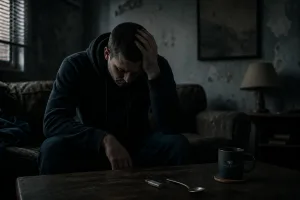
A medically managed heroin detox supports that rebalancing safely. Doctors and nurses monitor the symptoms, prescribe medication where it helps, and address complications before they become serious. Detox in itself doesn’t treat heroin addiction, rather It’s the medical foundation everything else builds from.
Why heroin detox at home isn't safe
The biggest risk of trying to detox from heroin at home is what happens after the initial symptoms ease. During regular heroin use, the body builds tolerance. These adaptations are central to both tolerance and withdrawal.
But, the period of detox reverses that tolerance, and If a person returns to heroin in the days afterwards – even at a dose they used to handle – the risk of fatal overdose rises sharply.
But, the acute heroin withdrawal symptoms are significant in their own right. For example
- Severe vomiting and diarrhoea can lead to dehydration, and/or
- Disrupted heart rhythm and complications from any existing health conditions need clinical attention
This is also the position taken in the UK’s NICE clinical guideline CG52 on drug misuse. The guideline directs that care for people who use drugs should be delivered by trained, supervised staff. It also identifies residential detox as the right level of care when someone has other physical or mental health needs, or needs to come off opioids and benzodiazepines together.
Residential, inpatient heroin detox: what to expect
Residential, inpatient heroin addiction treatment at Castle Health begins with an assessment from a consultant psychiatrist. That sets the medication plan and the monitoring level, and identifies the supports you’ll need alongside the physical detox.
Most patients are admitted to one of our accredited clinics – including Castle Craig in Scotland and Smarmore Castle in Ireland. The right placement is something we work out with you at the assessment. We look at availability, clinical fit, and where the rest of your treatment will continue.
Most people are prescribed an opioid substitute to ease heroin withdrawal. WHO guidance describes the three medications commonly used in heroin detox treatment:
- Buprenorphine, often the first choice for moderate to severe heroin withdrawal. It binds to the same receptors but isn’t as potent as heroin. It also stops other opioids from binding to these receptors. This eases symptoms and reduces cravings without giving the same highs or causing risks such as slowing breathing. It is started once mild withdrawal has begun, at least eight hours after the last dose.
- Methadone works in a similar way, and also eases withdrawal. It’s particularly useful where someone has been using longer-acting opioids alongside heroin.
- Clonidine is a medication that acts on receptors responsible for the common side effects experienced when withdrawing from opioids, such as stomach cramps, chills and anxiety. Although it cannot stop cravings or dependence, it can make the initial detox process more tolerable.
It’s important to ensure that nurses are with you around the clock. They monitor temperature, blood pressure, heart rate, hydration and sleep, and keep your doctor informed of how your body is responding.
The hours during detox aren’t only clinical. Quiet time, food you can keep down, conversations with people who understand what this stage feels like, and the first introductions to therapy all happen here. The aim is to keep you steady while your body resets.
How long does it take to detox from heroin?
The acute phase of heroin detox usually lasts between four and 10 days. Heroin withdrawal symptoms tend to begin between eight and 24 hours after the last dose, peak in the first two to three days, and ease through the following week.
The same World Health Organization guidance describes the heroin withdrawal symptoms most people experience:
- Nausea and vomiting
- Anxiety and trouble sleeping
- Hot and cold flushes
- Sweating
- Muscle cramps
- Watery eyes and nose
- Diarrhoea
Detox runs longer for people coming off longer-acting opioids such as methadone, where symptoms start later, between 12 and 48 hours after the last dose, and continue for 10 to 20 days.
Some people experience post-acute withdrawal (PAWS), where lower-level symptoms such as low mood, poor sleep, anxiety and fatigue continue for months or even years as the brain settles. Ongoing aftercare matters here as much as the detox itself.
"I contacted Castle Health [formerly CATCH Recovery] seeking guidance and options to support a relative who was having a difficult time both with addiction and other mental health concerns. The team were incredibly kind and informed, they took the time to go through all the options with me and helped us plan how to approach the matter. Fortunately the person has now been receiving care from [Castle] for several months and is doing really well. A big thank you to the wonderful team. I would highly recommend this service."

Residential heroin detox across Europe: our clinics
Castle Health is a connected group of accredited residential heroin detox centres across three countries: Castle Craig in Scotland, Smarmore Castle in Ireland, as well as those serving wider Europe. The same clinical model and consultant-led care, wherever you come to us.






Getting help
What to expect when you contact Castle Health about heroin detox
If you haven’t contacted a clinical service before, the first conversation can feel uncertain.

A free, confidential assessment
Once you get in touch, one of our intake team will respond, often the same day, and arrange a free assessment with a clinical colleague. The call takes around 30 to 45 minutes. There’s no obligation to book treatment afterwards, and nothing said during the conversation is shared anywhere, without your explicit permission.
Building your treatment plan
The assessment looks at your heroin use, any other substances involved, your general health, and any mental health needs that should be supported alongside detox.
From that, our team works with you to map out the right pathway: which clinic suits, when you can be admitted, and what your treatment will involve. The plan is reviewed as you progress.
Admissions and what to bring
Most people are admitted within a few days of the assessment. We share a clear admissions guide ahead of time, including what to bring, how to travel and who to contact on the day.
The getting started page has the full practical detail.
HELP FOR FAMILIES & FRIENDS
If someone in your life needs help with heroin addiction
Watching someone in your life navigate heroin addiction can be difficult, and being worried about whether to intervene is a normal response – it doesn’t mean you’re doing it wrong.
How to start the conversation
You don’t need a perfect script. What helps most is to remember:
- Calm is always best
- Lead with specific examples of what you’ve noticed
- Come into the conversation with a clear next step you can offer, such as sitting in on the assessment with them
- Avoid having the conversation in the middle of a crisis if you can
- Ultimatums tend to shut conversations down
Help with planning an intervention
If conversations haven’t worked and the person isn’t engaging with treatment, we can help you plan an intervention. An intervention is a structured meeting, prepared in advance, where family and close friends ask the person to accept help.
Our team has experience designing these, and supporting the family through them before, during and after.
Family and couples therapy at Castle Health
Family work runs alongside the treatment programme at each of our clinics. It gives the people closest to the person in treatment a structured place to be heard, learn about heroin addiction as a clinical condition, and rebuild trust at a pace the family can hold.
Success Stories
We’ve helped many people turn their lives around
Get help today
Take the first step in your recovery journey
We are here to listen, guide and help you every step of the way. Call us today and together we can find a solution that suits you.
Our admissions process is confidential and designed to suit and support you and your circumstances. Find out more about the Admissions process.
Telephone
From the UK: 0131 287 4071
International: +44 (131) 287 4071
care to the highest standards
Committed to quality care
Heroin detox: your questions answered
Do I need to have stopped using before I contact you?
No. You can contact us while you’re still using it. The assessment, and any plan we make with you, can be arranged on that basis. The right time to come in for detox is something we work out with you, not something you have to figure out alone first.
How do I get into residential heroin detox?
There are two common routes; you can ask your GP for a referral, or contact Castle Health directly. Going direct is usually faster, and most people are admitted within a few days of the assessment. Our intake team handles the rest, including liaison with your GP if you’d like that.
What happens after detox?
Detox is one stage of a longer process. Most people move into our residential rehab programme straight after, where therapy and group work address the patterns that built the dependence in the first place. Aftercare, including check-ins and a relapse prevention plan, continues once treatment with us ends.
Does private medical insurance cover heroin detox at Castle Health?
Yes, in most cases. Our admissions team can check your specific policy, and we can also arrange self-funded treatment where insurance doesn’t apply.
What happens if I've tried to detox before and it hasn't lasted?
That experience is common, and it doesn’t change what we offer you. We’ll look closely at what got in the way last time and build the next stage of treatment around it.
Can I bring my phone, laptop or work into residential detox?
Use of phones and laptops is limited during detox to support your focus on recovery. The position is reviewed regularly through treatment and isn’t absolute.
What is the difference between heroin detox and a full rehab programme?
Detox stabilises the body. The rehab programme that follows addresses everything else: the habits, thought patterns and underlying reasons heroin became hard to stop. That’s where therapy, group work, family work and aftercare come in.