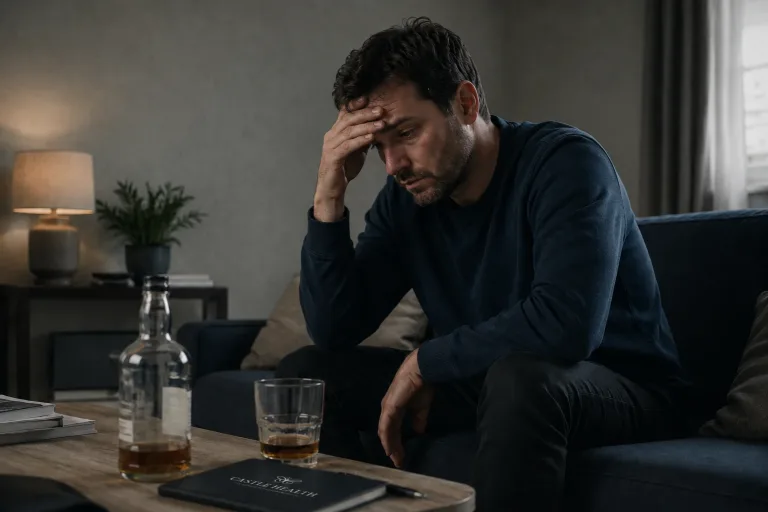
Opioids and alcohol are both depressants, and taking them together can have a cumulative effect on your body than either does alone. For many people, the combination starts with a genuine prescription and a drink in the evening, without realising it may be dangerous.
Mixing opioids and alcohol creates risks that aren’t always explained when the medication is prescribed. The doctor may not realise their patient is unaware of the risks, or may not know how much or how often they drink.
Whether it’s your own drinking or drug use or someone else’s that concerns you, it helps to know how alcohol and opioids interact and when to get help.
Why mixing opioids and alcohol is more dangerous than either alone
Drinking while on opioid medication is common. In a US study of 801 people receiving daily opioid therapy from their doctor, 36% had drunk alcohol in the past 30 days.
But, opioids and alcohol both slow your central nervous system – the part of your body that controls like like:
- Breathing
- Heart rate
- Blood pressure, and
- How alert you are.
When you use an opioid, or drink in moderation, your brain can somewhat compensate. It detects that things are slowing down and sends stronger signals to keep your breathing and heart rate going.
With both in your system, that ability can be overwhelmed, and your breathing can slow to a dangerous level. This respiratory depression is the main reason mixing opioids or opiates and alcohol can be fatal.
The effect of opioids and alcohol on the brain’s reward system
Your brain has a reward system that uses dopamine to reinforce behaviour. Both opioids and alcohol activate it, but they do it through different routes.
Research on alcohol and the brain’s reward system has shown that alcohol affects the release of your body’s own opioid-like chemicals. These, in turn, activate dopamine. Opioids activate the same dopamine pathway directly.
When both are present, the reward signal can be stronger than either alcohol or opioids produce on its own, so it can get harder to use one without wanting the other.
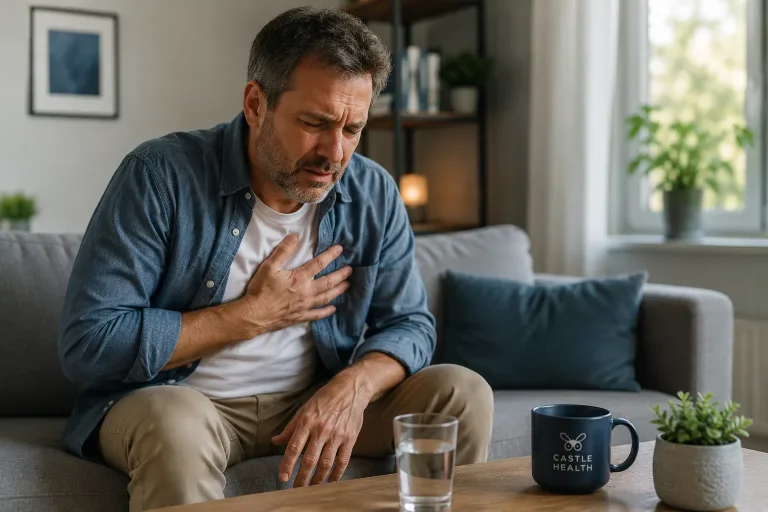
If someone is hard to wake, or their breathing is slow or shallow after drinking and taking opioids, call 112 or local emergency services straight away.
What is polysubstance dependence?
Polysubstance dependence is when a person is dependent on more than one substance at the same time, and research has shown that living with a substance use disorder with one drug can increase your risk of developing dependence on another.
The International Classification of Diseases (ICD) is the standard used across the UK and Europe. It recognises polysubstance dependence as a condition in its own right. Treatment needs to address both at the same time.
Some people also have a mental health condition alongside prescription drug dependence, alcohol , or heroin. Co-occurring mental health conditions and substance use disorders are called ‘dual diagnosis’.
The conditions all fuel each other, making symptoms worse, and requiring treatment that addresses all at the same time.
Opioids and alcohol withdrawal: what to expect
It’s more challenging to come off alcohol and opiates or opioids at the same time, than to come off either one alone.
Opioid withdrawal happens because your body has adapted to opioids being there and has to readjust without them.
Alcohol withdrawal happens because your brain has been suppressed by alcohol and becomes overactive when the alcohol is removed.
The two substances usually have quite different withdrawal symptoms. The most serious cases of alcohol withdrawal can cause seizures and can be life-threatening without medical care. Opioid withdrawal is not usually medically dangerous, but is still uncomfortable and difficult to do alone.
When you’re withdrawing from both alcohol and opioids, the symptoms can be unpredictable. NICE guidelines on opioid detoxification says that inpatient or residential detox should be considered for anyone stopping both opioids and alcohol.
Don’t try to withdraw from both without medical supervision. You can find out more about alcohol detox and what to expect, and what opioid withdrawal involves.
Physical symptoms of opioid and alcohol withdrawal
Physical symptoms of combined withdrawal can include:
- Muscle pain
- Difficulty sleeping, or sleeping too much
- Nausea, vomiting, and diarrhoea
- Sweating
- Elevated heart rate
These can range from uncomfortable to medically serious.
Psychological symptoms of polysubstance withdrawal
Psychological symptoms can include:
- Anxiety
- Low mood
- Irritability
- Paranoid thinking
- Difficulty concentrating
These are often the symptoms people are least prepared for, and they can also last longer than the physical ones.
“In 33 years of sobriety and over 30 years as a clinician, I’ve learned that recovery isn’t about giving something up. It’s about putting down the substance, grieving, then creating a meaningful life that you no longer want to escape.”

When to seek support for opioid and alcohol use
There’s no fixed point where using alcohol and opioids becomes a dependency, though some signs suggest it’s moving in that direction.
- Often using more of either substance than you planned
- Needing both to feel normal or to get through the day
- Withdrawal symptoms when you stop or cut down either one
- Feeling like the pattern is getting harder to change
- Continuing to drink and use opioids despite mounting problems
These signs don’t mean you’re addicted, but they do mean it’s time to look honestly at your use of both. It can help to read about opioid addiction and how alcohol dependence develops separately. Then you can see how each one feeds into the other.
How to get support for opioid and alcohol dependence
Castle Health offers support for people living with dependence on opioids and alcohol, from outpatient treatment to residential programmes at Castle Craig Hospital and Smarmore Castle.
For this combination, residential treatment with medically supervised detox is usually the safer option. Withdrawal is medically supervised around the clock, and treatment carries on once you’re ready to begin rehab therapy.
You don’t need a referral, and calling doesn’t commit you to anything. Your GP can also assess whether you need specialist addiction services and refer you on.
If something in this article has raised questions
If someone you know is using opioids and alcohol
This is a difficult combination to spot, because each part of it can look normal on its own. The person might be on a prescription from their doctor, and might drink the same amount as everyone else. But together, the two carry risks the person may not realise.
When you speak to them about it, try to stick to what you’ve noticed instead of guessing at what it means. You don’t need to explain the science, only what you’ve seen and why it worries you.
If someone in your life is using opioids, you can ask your local drug service about keeping naloxone at home. Naloxone is a medication that reverses opioid overdoses, though it has no effect on alcohol.
If you suspect someone is having an overdose, call 112 or your local emergency services, and follow the advice while you wait for help.
Castle Health can talk you through what you’re seeing and help you choose a next step. If the person in your life does go on to get treatment, Castle Health’s family support programme offers therapy for families at the same time.
Frequently asked questions about opioids and alcohol
Where can I find private addiction treatment for opioid and alcohol dependence?
Castle Health offers both outpatient and residential treatment. Outpatient support fits around your life and may be suitable if you have a lot of home support. Residential treatment is available at Castle Craig Hospital in Scotland and Smarmore Castle in Ireland. You can contact Castle Health to talk through your situation without any obligation.
Is it safe to drink occasionally while taking prescribed opioid medication?
The safest answer is no. Both opioids and alcohol slow the central nervous system, and even one or two drinks can increase sedation and slow your breathing when an opioid is also in your system. Speak to the clinician who prescribed your medication. They can advise based on your specific prescription and health.
What treatment centres specialise in opioid and alcohol dependence?
Castle Health’s residential centres at Castle Craig Hospital and Smarmore Castle are set up to treat people who are dependent on more than one substance. That means the treatment plan addresses both the opioid and the alcohol dependence together. Your GP can refer you, or you can contact Castle Health directly.