Mixing alcohol and cannabis can make the effects of both harder to predict. How cannabis and alcohol affect you depends on how much you’ve had and how your own body responds.
When alcohol and cannabis are both in someone’s system, the effects are usually stronger than either one on its own, which can be dangerous.
If you’ve been mixing cannabis and alcohol regularly and it’s getting harder to stop, support is available. Understanding the risks and the signs that you’re becoming dependent makes it easier to seek the right help.
If someone is confused, unconscious, having a seizure, or breathing slowly after mixing alcohol and cannabis, call for emergency help straight away.
What happens when you mix alcohol and cannabis?
Alcohol and weed both change how your brain works:
- Alcohol slows your brain and body down.
- Cannabis changes how you take in and make sense of what’s happening around you.
When both are active at the same time, they can affect you more strongly than when they used either one alone.
How mixing alcohol and cannabis affects you depends on the dose of each substance, the method of taking cannabis (smoked or eaten), your tolerance, your body size, and whether you’ve eaten recently.
European guidance on cannabis says that using cannabis with other substances, including alcohol, may cause unwanted effects and raise the risk of addiction
Simultaneous vs concurrent use
Researchers separate two ways of using both substances:
- Simultaneous use means the effects overlap, so you’re feeling both at once.
- Concurrent use means you use both in the same period but not at the same time – for example, drinking in the evening and using cannabis the next morning, or on different days in the same week.
A study published in Drug and Alcohol Dependence found that on days when participants mixed alcohol and cannabis so that the effects overlapped, they were more likely to report problems.
These included things like:
- Drinking more than planned
- Arguments
- Saying embarrassing things
- Blackouts
- Driving drunk or high
- Nausea
- Hangover
There were fewer of these problems on days when they used both at different times of day.
Does alcohol make cannabis feel stronger?
A controlled study found that drinking a small amount of alcohol before using vaporised cannabis led to higher peak levels of THC in the blood. The researchers say this may help explain the greater impairment seen when people mix alcohol and cannabis.
This was a small laboratory study using vaporised cannabis. It can’t show that alcohol always makes cannabis stronger, or that using cannabis before alcohol is safer.
But many people who use cannabis with alcohol have bad reactions that they’ve never had with either one alone.
What does “crossfaded” mean?
Crossfaded means being intoxicated by weed and alcohol at the same time. It’s slang, not a medical term, and the experience varies a lot from person to person.
- Some people feel relaxed or euphoric
- Others feel dizzy, sick, anxious, badly impaired, or completely overwhelmed.
What one person experiences depends on how much has been taken, the type of cannabis, how it was used, tolerance, and our bodies.
What are the short-term risks of mixing alcohol and cannabis?
Greater impairment and poor judgement
The impairment from mixing alcohol and cannabis is clear in driving. The Johns Hopkins study tested people’s driving after they took cannabis edibles with a lower amount of alcohol. It found that the combination impaired driving as much as a higher amount of alcohol alone, and sometimes more.
The roadside sobriety tests that police use can miss that impairment. In the study, they only flagged people who had drunk alcohol alone at the higher level, even though driving was clearly worse after cannabis with less alcohol.
Nausea, dizziness, anxiety and vomiting
It’s common to feel sick, dizzy or anxious, or to vomit, after mixing cannabis and alcohol. These reactions are usually temporary and pass as the substances leave your system.
They happen because you’ve taken more than your body can comfortably handle. On their own, they’re unpleasant but not usually dangerous.
What is a “green out”?
A green out is an informal term for a particularly bad reaction to cannabis. Symptoms can include:
- Sudden nausea
- Dizziness
- Sweating
- Vomiting
- Anxiety
- Feeling like you might faint
When alcohol is involved too, these symptoms can look a lot like alcohol poisoning. A person who is pale, sweating, vomiting and unable to stand could be greening out, or they could be dangerously intoxicated. If you’re not sure, treat it as an emergency.
Driving and accidents
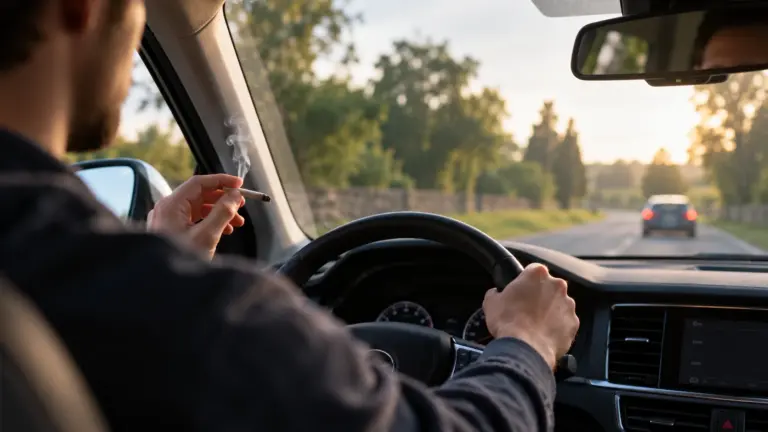
Both substances impair driving. You can feel fine to drive and still be impaired, because using them together can make it harder to judge how affected you are.
Laws on driving after drink or drugs differ from country to country. In the UK and Ireland, it’s illegal to drive while unfit through drink or drugs.
Police can check for cannabis with roadside drug screening.
When is it an emergency?
Most bad reactions to mixing cannabis and alcohol pass on their own, but some don’t. Alcohol poisoning can be life-threatening. NHS guidance on alcohol poisoning says to call 999 if you think someone has it.
Do not tell a severely intoxicated person to ‘sleep it off.’ If their breathing changes or they lose consciousness, they need medical help immediately.
Call 999 or 112 (999 in the UK and Ireland, 112 across Europe) if someone:
Is confused and can’t follow a conversation
Is unconscious and can’t be woken
Is having a seizure
Has stopped breathing, or their breathing is slow or irregular
Has blue-tinged lips or skin
Is vomiting while unconscious
Does it matter whether you drink or use cannabis first?
Neither order is safe when you’re mixing weed and alcohol. A small controlled study showed that drinking first raised peak THC levels in the blood.
Whichever you use first, both substances change your perception. If you’re deciding whether you’re OK to drive or look after someone, you can’t judge that properly while you’ve been drinking and using cannabis.
“Real change starts with a conversation.”

What can repeated alcohol and cannabis use mean for addiction and mental health?
A bad reaction after mixing cannabis and alcohol once is unpleasant. But if it becomes a habit, it’s linked to more alcohol-related harm. Dependence on one or both substances can develop alongside it, and it can affect your mental health.
Research on simultaneous alcohol and cannabis use found that mixing the two brought more of the problems doctors look for in an alcohol addiction assessment than using them at different times.
Signs the pattern may be becoming a problem
- Needing more of either substance to get the same effect
- Repeated bad reactions but continuing to use both
- Using one to manage the effects of the other
- Trying to cut down on either and finding you can’t
- Work or relationships being affected
- Feeling unable to enjoy social situations without both
If you’re noticing several of these, Castle Health can help you understand if you’ve become dependent on alcohol, cannabis or both.
Mental health and mixing alcohol and cannabis
Alcohol can lower your mood in the days after drinking, not just while you’re drunk. Cannabis can increase anxiety, particularly at higher doses or if you’re already prone to it. Both are linked to depression with regular use.
Many people use alcohol or cannabis to cope with anxiety, depression, or other mental health conditions they may or may not have been diagnosed with. That can create a cycle. The mental health condition drives the substance use, and the substance use makes the mental health condition worse.
When both are happening at the same time, clinicians call it a co-occurring condition or dual diagnosis. Addiction and mental health support addresses both together, and tends to be more effective than treating either one alone.
When to get help with alcohol and cannabis use
You don’t need to decide whether alcohol or cannabis is the ‘main’ problem before asking for help. An assessment can look at both, along with your mental health and the role each substance is playing in your life.
Your GP is a good starting point. They can assess what’s happening and refer you if needed. If you’re in distress and need to speak to someone now, the Samaritans are available 24/7 on 116 123 in the UK and Ireland.
How Castle Health can help
Castle Health supports people dealing with alcohol and cannabis use through personalised treatment across the UK and Europe. Both outpatient and residential pathways are available, including at Castle Craig Hospital in Scotland and Smarmore Castle in Ireland.
A free confidential addiction assessment is the first step. It helps work out what level of support fits your situation.
If you’re regularly mixing weed and alcohol and you’re not sure what to do about it, talking to someone can help. You can start with an assessment, and there’s no obligation to go any further.
For medical emergencies, always call 999 or 112.
If someone in your life is mixing alcohol and cannabis
If you’ve been with someone after they’ve mixed alcohol and cannabis, you know how frightening it can be. You may have seen them vomiting or too confused to talk. You may even have had to decide whether to call an ambulance.
Castle Health can advise you on how to raise the subject and what kind of support might be right for them. If they do go into treatment, the family support programme is there for you too.
If someone is unconscious, having a seizure, or breathing slowly after mixing the two, call 999 or 112.
Frequently asked questions about alcohol and cannabis
How long can being crossfaded last?
It depends on how much you’ve had of each substance, the type of cannabis (edibles last longer than smoking or vaping), your tolerance, and your body. There’s no single answer. Effects can last anywhere from a couple of hours to much longer if edibles are involved.
Is it safer to use cannabis before alcohol or alcohol before cannabis?
No. Using one first doesn’t make mixing them safe. Whichever comes first, the combination makes the effects harder to predict.
Can I drink alcohol if I use prescribed medical cannabis?
Products and doses vary, and so do your personal risks. Check with the clinician or pharmacist who prescribed your cannabis, as they can advise based on your specific treatment.
Can someone become dependent on both alcohol and cannabis?
Yes. Dependence can develop with either substance independently, and using both doesn’t protect you from that. If you’re concerned, an assessment can look at your use of both. You can read more about understanding addiction.
Can treatment address alcohol and cannabis use at the same time?
Yes, where clinically appropriate. An assessment considers both patterns together, along with mental health. Castle Health offers both alcohol addiction treatment and cannabis addiction treatment, and the level of care depends on what your assessment shows.
There’s no pressure to do anything right now. If you’ve been wondering about mixing alcohol and cannabis, here are a few options:
- Read more about alcohol addiction or cannabis addiction.
- Learn about addiction and mental health support.
- Speak to someone at Castle Health in confidence.