


Page last updated
Wednesday 26th Aug 2026

Page written by
Victoria McCann, Communications Director
When most of us picture addiction, we picture something physical, tangible, like a substance we hold. Less often do we think of addictions to behaviours, or we assume that because there’s no substance involved, it can’t be as serious. Yet that really isn’t the case.
With an addiction to sex, sometimes called compulsive sexual behaviour, the brain is doing much the same thing as it does with a drug. We’re laying out the basis of sex addiction and how treatment at Castle Health is the best option for recovery.

Find the sex addiction treatment option that fits your life
The right level of care and the right setting are worked out together once we’ve spoken to you, not fixed in advance. Here are the treatment options and therapies available through Castle Health:






“I contacted Castle Health – formerly CATCH – with a view to getting online support after a period in rehab. They recommended recovery coaching and arranged for me to meet my coach in person for the first of ten sessions. I continued the coaching on Zoom as I live in France. I was very happy with my ten sessions and feel I am in a good place to continue my recovery.”

Sex addiction treatment options: inpatient, outpatient and online
Compulsive sexual behaviour disorder is more common than most people think. Research shows that between 3% and 10% of men and between 2% and 7% of women experience it.
It also frequently sits alongside other conditions. Major depressive disorder affects close to 40% of people with the condition, and alcohol-related around 44%. If there’s anything else alongside it, like depression, anxiety, or alcohol, we treat it all in the same place at Castle Health.
For background that looks more closely at what sex addiction is, and the way it develops, visit our dedicated page.
Inpatient sex addiction treatment
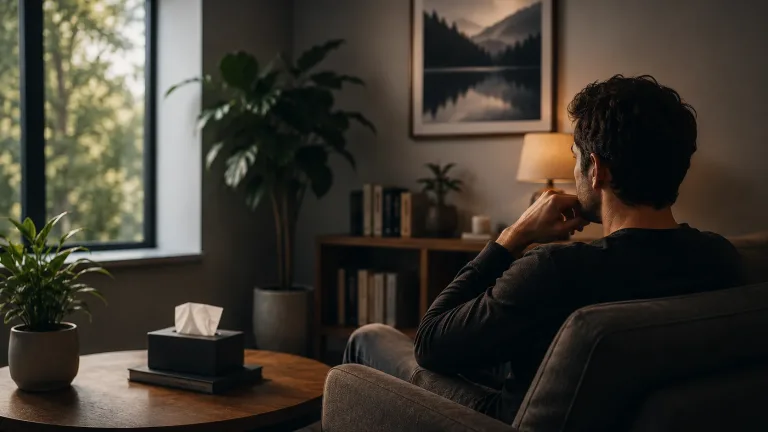
Residential sex addiction treatment, or residential sex addiction rehab, takes you out of the environment where compulsive behaviour has been happening, into a structured setting with clinical care throughout.
A typical day includes one-to-one therapy, workshops to help you understand what’s been happening, group therapy, and 12 Step meetings or peer support in the evenings. As treatment moves through its three phases (stabilisation, repair and growth), the focus shifts from getting through each day, to understanding what’s been driving it, to building a life that doesn’t revolve around it.
If alcohol or drugs are part of the picture too, we treat everything together. You’re not sent to two different services or asked to explain yourself twice.
Find out more about our locations.
Outpatient sex addiction treatment
Outpatient sex addiction treatment lets you attend regular sessions while continuing with work or study. Sessions can be individual or group-based, with couples and family sessions added when that feels relevant.
Individual sessions run for 75 minutes, giving enough time to settle in and speak without feeling rushed. Couples sessions last 90 minutes, allowing both people the space to be heard and to work on communication and trust at their own pace.
Therapy available through our outpatient sex addiction programme includes Cognitive Behavioural Therapy (CBT), trauma-focused approaches including Eye Movement Desensitisation and Reprocessing (EMDR), 12 Step facilitation and support for co-occurring mental health conditions. We can also link you in with local support if that would help.
Online sex addiction treatment
Online sex addiction treatment follows the same clinical standards as face-to-face care. Sessions take place via secure video call and run for 50 minutes. They’re slightly shorter than in-person sessions because you’re already in a familiar environment. There’s no settling-in period.
This suits people who live far from a clinic, anyone who finds travelling difficult. It could also be the case that you find opening up easier to do from home. Sessions happen at agreed-upon set times, and we check in on your goals regularly.
Therapies used in sex addiction treatment
Cognitive Behavioural Therapy (CBT)
CBT has a strong evidence base in the treatment of compulsive sexual behaviour. It works by identifying the thinking patterns and emotional triggers that lead to it. The outcome is a concrete relapse prevention plan.
Trauma-focused therapy and EMDR
Eye Movement Desensitisation and Reprocessing (EMDR) and other trauma-focused approaches are used where past experiences are driving the behaviour now. Research shows that a significant proportion of people with compulsive sexual behaviour have a history of trauma, particularly relational trauma. Trauma-informed care is therefore central to many programmes.
12 Step facilitation
12 Step facilitation provides peer accountability and community that clinical therapy alone cannot replicate. It runs alongside one-to-one work and stays available after you leave, through recovery groups.
Family and couples therapy
Where a partner or family member wants to be involved, dedicated sessions become a core aspect of the programme.
Recovery coaching
Recovery coaching supports you during treatment and continues through the aftercare stage. It’s practical and goal-focused, with remote sessions if you’re based outside our clinic locations.
Our locations
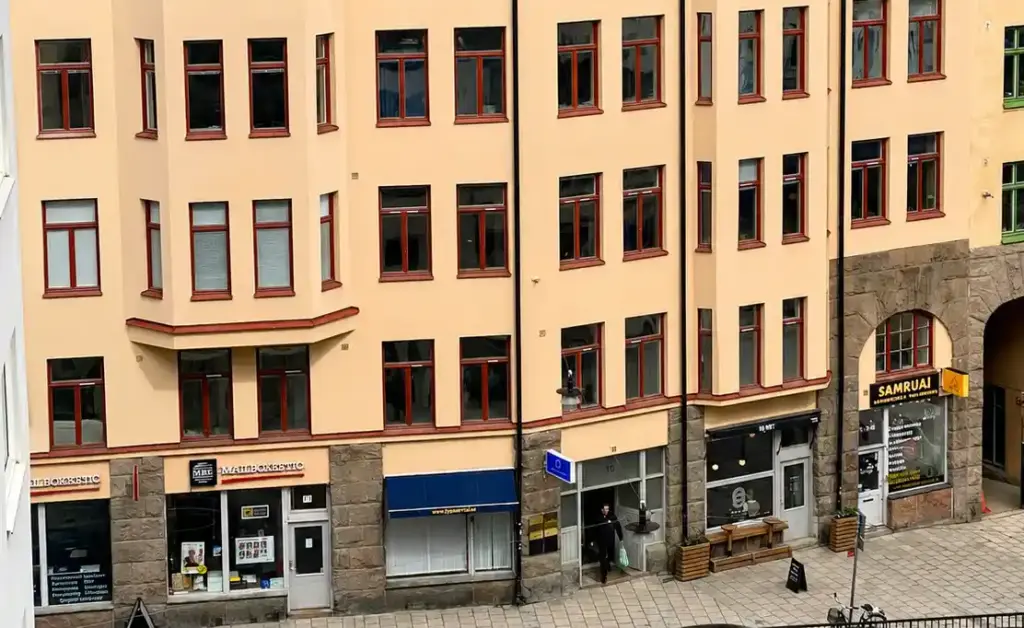
Clinics across Europe designed to support sex addiction recovery




What to expect from sex addiction treatment at Castle Health
Knowing what the next steps look like makes it easier to take the first one.
Speaking to admissions: your first confidential call
The first step is a private call with our admissions team. You can find out more about what to expect on our admissions page.
It’s the beginning of getting the right care. You can talk through what’s been happening, ask anything, and get a sense of whether Castle Health feels right for you.
The admissions team know these conversations well. Nothing you say goes further without your consent and there’s no obligation to commit during this call.
Your sex addiction treatment assessment
If you decide to go ahead, the next step is a clinical assessment. A clinician will ask about your current behaviour, any immediate risks, your mental and physical health, your relationships and your history with other conditions or treatments. You’ll also talk about what you’re hoping to change.
This conversation shapes the treatment plan, so the level of care, the setting and the pace are all agreed based on your situation.
Treatment at Castle Health follows three phases. Stabilisation addresses what’s happening right now. Repair goes deeper into the patterns and experiences behind the behaviour, and what started them. Growth turns the focus forward. For partners who want to be involved, couples sessions become available in the growth phase.
Aftercare and continuing recovery
Support doesn’t end when you leave. Aftercare is built into the Castle Health programme from the start, not charged separately or added on later.
Ongoing support includes recovery coaching, peer support groups, relapse prevention planning and regular check-ins. The aim is for you to leave treatment knowing what helps you stay well, and with people around you who can step in when things get difficult.
If relapse happens, we see it as part of the journey, and as information. We can use what we learn to work through it.
How much does sex addiction treatment cost?
Costs vary depending on the type and length of treatment. As a general guide, price for residential treatment at Castle Craig in Scotland starts at £650 per day. Outpatient and online sex addiction therapy is charged per session or as part of a package.
Funding can come from private payment, health insurance or a combination of both. The admissions team can talk through the options with you in confidence. There’s no need to decide anything during that first conversation.
Recovery hub
Learn more about sex addiction and recovery

Help and support if someone in your life needs sex addiction treatment
Finding out that someone in your life has been living with compulsive sexual behaviour is not simple at all. You might be angry, or trying to make sense of something that doesn’t add up. You might not know yet whether you want to help, or where you stand.
Research on the effects of compulsive sexual behaviour on partners describes feelings of betrayal, distrust, shame and self-blame as common responses. These are normal reactions. They don’t mean you’re unsupportive, or that you should already know what to do.

Family and couples therapy at Castle Health gives you space to work through what’s happened. You can explore what you need, tell us what feels right or doesn’t, and make decisions about the relationship at your own pace. Where your partner is in treatment, couples sessions become available in the growth phase of the programme – the stage focused on rebuilding.
Support is also available for you in your own right, even if the person in your life isn’t yet ready to start treatment. You don’t need to wait for them.
Success Stories
We’ve helped many people turn their lives around
Get help today
Take the first step in your recovery journey
We are here to listen, guide and help you every step of the way. Call us today and together we can find a solution that suits you.
Our admissions process is confidential and designed to suit and support you and your circumstances. Find out more about the Admissions process.
Telephone
From the UK: 0131 287 4071
International: +44 (131) 287 4071
Care to the highest standards
Committed to quality care
Frequently asked questions about sex addiction treatment
Is online sex addiction treatment as effective as in-person sex addiction therapy?
Online sex addiction treatment follows the same clinical standards as face-to-face therapy. A systematic review of internet-based interventions across a range of addictive behaviours found positive treatment outcomes in all studies reviewed, with more than half of participants maintaining progress up to three years after completing a programme. Online sessions may be recommended where in-person attendance isn’t practical. Your clinician will help you decide.
Can I be treated for sex addiction alongside alcohol or drug addiction at the same time?
Yes. Many people who come to us for sex addiction help also live with alcohol or drug-related difficulties. Research shows that alcohol abuse is present in around 44% of people with compulsive sexual behaviour disorder, and other substance problems in more than one in five. At Castle Health, both are treated within the same programme. You don’t need to manage separate care pathways or explain yourself twice.
Will my GP, employer or family be told that I’m having sex addiction treatment?
No. Your treatment is confidential. Nothing is shared with your GP, employer or anyone else without your explicit consent. At the start of treatment, you’ll fill in a form about who, if anyone, we can speak to about your care. These can be updated at any time during treatment.