



Page last updated
Friday 11th Sep 2026

Page written on 14th August 2026 by
Victoria McCann, Communications Director

Clinically reviewed on 11th September 2026 by
Dr Seamus Macauley, Addiction Therapist, Castle Health
Heroin addiction treatment across Europe with Castle Health
For most people, heroin addiction treatment isn’t a ‘first attempt’ at seeking support, rather it’s the next decision after several tries. Treatment moves through three general stages which are personalised for the unique wants and needs of each individual. Detox manages the physical withdrawal. Therapy addresses what kept heroin in your life. Aftercare holds the work in place once intensive treatment ends.
Castle Health provides heroin addiction treatment from residential clinics in Scotland and Ireland, as well as those serving wider Europe, under one shared clinical standard. Programmes begin with medically led detox where it’s clinically required, and most include structured aftercare that can extend up to two years.
The choices that follow – setting, therapies, length – are where treatment becomes individualised to you and what you need.

Beat heroin addiction
Get the support you need for heroin addiction
At Castle Health, heroin addiction treatment isn’t one programme. It’s a set of options shaped around where you are right now.
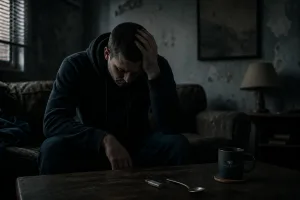
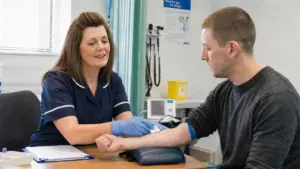

Heroin addiction treatment options: understanding what’s available
There isn’t one route through heroin addiction treatment that works for everyone. What’s right for you depends on how much heroin you’ve been using, how long, what your home and work life looks like, and whether you’ve tried treatment before.
These four options often work in sequence rather than as alternatives.

Inpatient heroin addiction treatment
Inpatient heroin addiction treatment means living at one of our clinics – in Ireland at Smarmore Castle, or in Scotland as Castle Craig – for the length of your programme:
- Usually for 28, 60 or 90 days
- Away from triggers
- Clinical and therapeutic staff on hand
- Days that follow a structured routine of therapy, group work and rest
It’s often the right setting when staying at home makes recovery very difficult, or when physical or mental health needs close monitoring.
The evidence for residential treatment of heroin addiction is consistent. One UK study following 408 people through residential opioid treatment programmes found that half were still abstinent from heroin one year later. Separate research found that the rate of non-fatal heroin overdoses dropped from 22% to 7% in the year after residential rehab.
Outpatient heroin addiction treatment
Outpatient heroin addiction treatment means attending sessions at one of our clinics, or online, while continuing to live at home and work as normal. Sessions are scheduled around your life, with therapy, medical reviews and group support built in.
Outpatient is the right setting for many people. It can suit you well if you have stable housing, support around you, and work or caring responsibilities that make a residential stay difficult.
The choice between rehab for heroin addiction in a residential setting and outpatient care depends on your situation.
Medically led heroin detox
Heroin detox is the first stage of drug treatment for heroin addiction, and one of the most physically demanding parts. Withdrawal can be severe enough that it needs medical management, not endurance. Detox happens under close clinical supervision.
At our clinics, it’s overseen by qualified medical specialists, and opioid substitution medication is available when it’s clinically appropriate – usually methadone or buprenorphine. What you’re prescribed, if anything, is a clinical decision based on your medical history and current use.
Therapies used in heroin addiction treatment
Therapy is the part of treatment that helps you understand why heroin took hold and how to live without it. The therapies most often used in heroin addiction treatment at Castle Health are:
- Cognitive Behavioural Therapy (CBT), focused on the thoughts and patterns that drive heroin use – it is effective both on its own and as part of a wider treatment plan
- Dialectical Behaviour Therapy (DBT), often helpful for people whose heroin use is bound up with difficult emotions
- 12 Step programmes, peer-based and focused on long-term recovery community
- Trauma-informed therapy, when past experiences sit underneath the addiction
- Group and family therapy, for connection and for repairing relationships
Our inpatient programmes also include a variety of additional, complementary therapies. These include art therapy, animal-assisted therapy and meditation, alongside the main treatment work.
“I contacted Castle Health [formerly CATCH Recovery] seeking guidance and options to support a relative who was having a difficult time both with addiction and other mental health concerns. The team were incredibly kind and informed, they took the time to go through all the options with me and helped us plan how to approach the matter. Fortunately the person has now been receiving care from CATCH for several months and is doing really well. A big thank you to the wonderful team. I would highly recommend this service.”

Locations designed to support your recovery






What to expect from heroin addiction treatment at Castle Health
Free heroin addiction treatment assessment
Before any treatment begins, you’ll have a complementary assessment with our admissions team. It’s a confidential conversation, usually around an hour, where you’ll speak to someone trained in addiction treatment.
They’ll ask about your heroin use, your physical and mental health, what your day-to-day life looks like, and what you’ve tried before. From that, we’ll talk through which type of treatment is most likely to suit you. We can also tell you how soon a place could be available and what the cost would be.
Building your personalised treatment plan
No two of our treatment plans look the same. After your assessment, we build a plan around what you actually want and need. That covers the right setting, the right balance of therapies, the medical support detox will require, and what your aftercare should look like from the start.
You’re involved in shaping it, and we review and adjust it as treatment progresses, because what works in week one rarely looks the same in week eight.
Aftercare and continued support
Every Castle Health programme includes a structured aftercare plan lasting up to 12 months. The first months focus on regular therapy and continued connection with a recovery community. Over time, support steps down to less frequent check-ins, with family involvement built in where helpful.
The length reflects the evidence. Research has found that 71% of people in residential rehab were still abstinent at 24 months when an appropriate aftercare was in place, and failure to enter aftercare predicted earlier relapse.
Separate studies noted that people who avoided a full relapse consistently and regularly used the various strategies they had learned in treatment, during the aftercare period. Those strategies needed regular reinforcement to keep working.
Learn more about costs and payments
We work with a wide range of health insurance companies, and accept self-funded patients direct. We also accept NHS referrals where the pathway allows.
Costs vary by clinic, programme length and the care your treatment requires. The clearest way to get a figure for your situation is to call our admissions team, who can talk you through what your insurer covers and what self-funded options look like.

If someone you know needs help with heroin addiction
Watching someone in your life live with heroin addiction is its own kind of exhausting for you and them.
Family and couples therapy as part of treatment
Heroin addiction rarely affects only one person, and treatment at Castle Health reflects that. Family and couples therapy is part of our programmes. It’s available during both inpatient and outpatient treatment, and through aftercare.
Sessions are led by a therapist with specific training in working with families affected by addiction. The focus is on rebuilding communication and trust.
Starting a conversation about heroin addiction
There’s no perfect way to start a conversation about heroin addiction with someone in your life, but it is important to choose a moment when neither of you is under acute pressure, and leading with what you’ve noticed.
You don’t need to have a treatment plan ready before you raise it. Often a first conversation just opens the door, and a few more follow before someone is ready to take a next step.
Interventions and professional support
Sometimes a structured intervention is the right way to bring up treatment. It can help particularly when someone has refused to engage with the conversation before. Our team can help you understand what that looks like in practice.
We can talk through whether a professional interventionist is needed, and what happens if the person agrees to come in on the day.

Take the next step
If heroin is shaping your week, your relationships, your sleep, or how you feel between using, it’s worth talking to someone. You don’t need to have reached a crisis to ask for help, and you don’t need to have stopped using before you reach out.
We’ll listen to what you’re going through, help you understand your options, and walk you through what treatment could look like for you. The conversation is confidential, and there’s no obligation on either side.
Success Stories
We’ve helped many people turn their lives around
Get help today
Take the first step in your recovery journey
We are here to listen, guide and help you every step of the way. Call us today and together we can find a solution that suits you.
Our admissions process is confidential and designed to suit and support you and your circumstances. Find out more about the Admissions process.
Telephone
From the UK: 0131 287 4071
International: +44 (131) 287 4071
Care to the highest standards
Committed to quality care
Frequently asked questions about heroin addiction treatment
How long does heroin addiction treatment take?
It depends on the setting and the programme. Residential programmes typically run for 28, 60 or 90 days. Outpatient treatment doesn’t have a fixed end date and is shaped around what you need at any point.
Aftercare runs for an average of two years worth of structured work across all Castle Health programmes. There’s no single ‘right’ length, and it depends on how heroin use has shaped your life and what support is around you.
Will I be prescribed medication during heroin addiction treatment?
Often, yes. Medication is commonly prescribed during heroin detox to manage withdrawal safely. Opioid substitution medication such as methadone or buprenorphine may be used when the treating clinician judges it appropriate.
What you’re prescribed, if anything, is a clinical decision based on your medical history and current use. Our clinical approach to medication during heroin addiction treatment follows established guidance from bodies such as NICE in the UK and the HSE in Ireland.
Does private health insurance cover heroin addiction treatment?
Most often, yes. Most major European private insurers cover heroin addiction rehab, though the level of cover depends on your policy. We work with large European insurers, and self-funded options for private heroin addiction treatment are available where insurance doesn’t apply. The clearest answer comes from a phone call, and our admissions team can check what your policy covers in a single conversation.
Can I get heroin addiction treatment if I'm a parent, working, or have other commitments?
Yes. Outpatient treatment is designed to fit around work, parenting, caring or other responsibilities. For people who need inpatient treatment but have dependents, we can help plan visits and family contact through the programme, and a step-down to outpatient afterwards.
Aftercare is built around continuing your life. The assessment conversation is the right place to talk through what’s practical for you.
What happens if I relapse during or after heroin addiction treatment?
Relapse can happen, even after good treatment. One UK study published in Addiction following people through heroin treatment found that around 60% used heroin again afterwards, with the first occurrence usually soon after leaving treatment. There is one safety point worth knowing here.
Tolerance to heroin drops sharply during any period off it, so a return to use after treatment carries a higher overdose risk than the same use did before. The dose you were on previously may no longer be safe. If a relapse happens during your two-year aftercare, our response is clinical and practical: rapid contact with your aftercare team and an honest look at what triggered the slip, so your plan can be adjusted around what’s actually happened.