
United Kingdom
Castle Craig, Scotland
Find out more
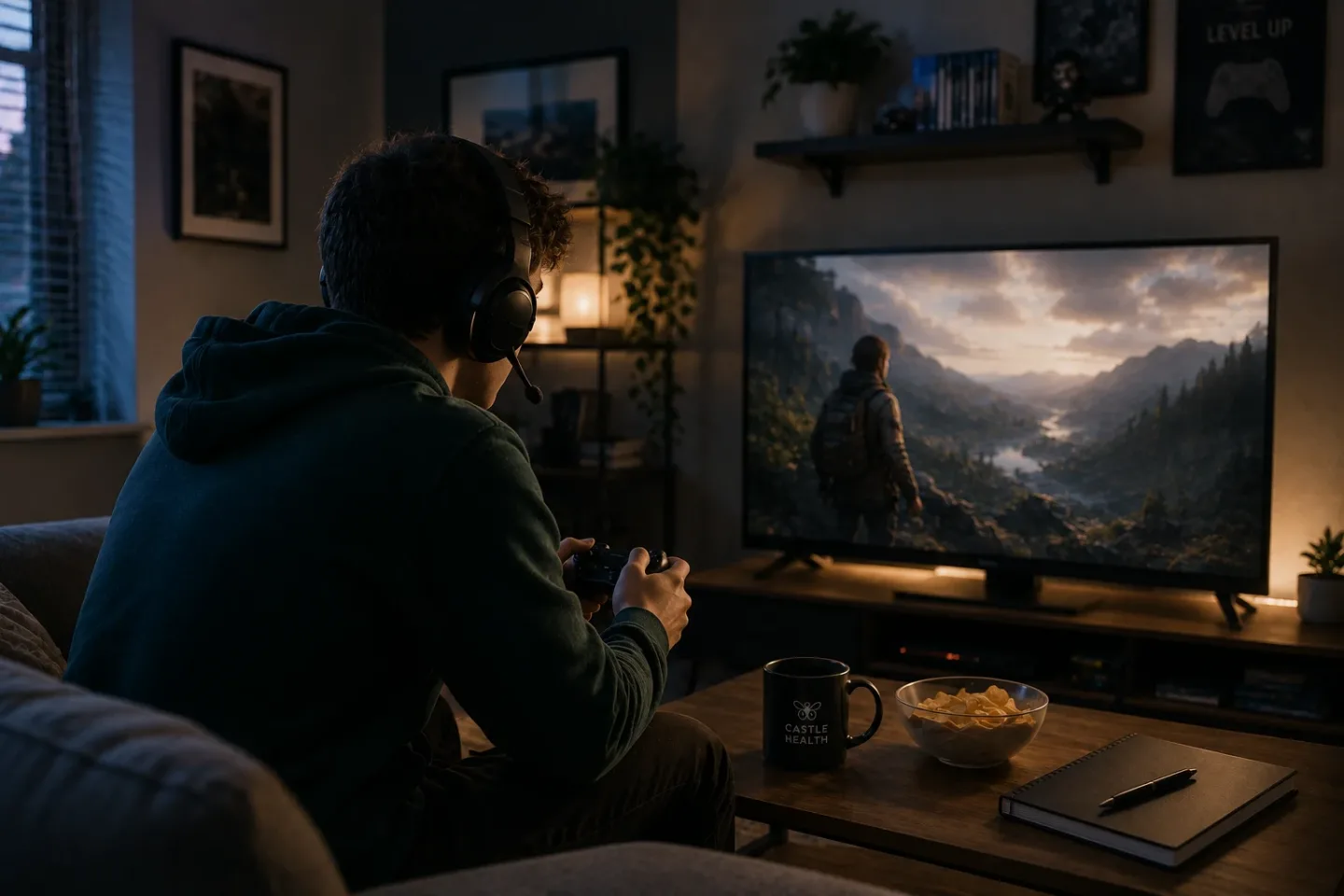

Gaming disorder is a compulsive pattern of gaming behaviour that affects a small number of people worldwide. Because gaming is such a common part of daily life, it isn’t always easy to notice when it becomes an issue.
If gaming starts to get in the way of your sleep, work, studies, or relationships – and you find it hard to cut back even when it causes problems – getting professional help can make a difference.
Seeing gaming disorder as a health issue makes it clearer to see when treatment is needed, especially if gaming is used to deal with stress, low mood, or feeling alone.
At Castle Health, we offer gaming addiction treatment that’s tailored to your needs. To understand how treatment helps, it’s useful to look more closely at what a gaming disorder is and how it develops.

“I contacted Castle Health (formerly CATCH Recovery) with a view to getting online support after a period in rehab. They recommended recovery coaching and arranged for me to meet my coach in person as the first of 10 meetings. I continued the coaching on Zoom as I live in France. I was very happy with my 10 sessions and feel I am in a good place to continue my recovery.”

Gaming addiction, also known as gaming disorder, is less about how much someone games and more about how much control they feel they have.
Problems tend to emerge when gaming starts to crowd out other parts of life and becomes difficult to step away from.
Someone might plan to play for a short time but end up losing track of hours. They may keep playing even when they are tired or stressed, or notice that work, school, or relationships are suffering. Over time, gaming can go from being fun to feeling like something you have to do.
Many modern games are made to keep us playing longer by offering rewards, rankings, and ways to progress. Such games cause the release of chemicals like dopamine that activate the reward centre of the brain. This is what makes gaming fun, but over time, longer sessions may be required to get the same effects. At this stage, normal gaming can turn from a hobby into an addiction.
Video gaming addiction treatment in the UK works to reduce the pull of gaming and uncover what it’s being used to escape from, helping you find other ways to relax and feel connected to people.
The World Health Organisation recognises gaming disorder as a mental health condition. It’s listed in the same guidance that doctors use for other addictive behaviours, including gambling disorder.
This means gaming disorder is treated as a real form of addiction, not just a lack of self-control.
This diagnosis doesn’t apply to everyone who games. It’s used when gaming becomes a behaviour that starts to affect mental wellbeing and day-to-day life in serious ways.
Signs of gaming addiction may include:
If you’re a parent, you might notice your child spending more time gaming and pulling away from life at home. That distance can show up in other ways, too, like changes in sleep or mood, which can make everyday interactions feel harder.
When communication that once felt natural starts to stall, it’s normal to feel worried, especially if you’re unsure how to step in or what support might help.
Seeing signs of gaming addiction doesn’t always mean that gaming has to stop completely. It often means your child needs support to build a healthier relationship with the way they consume video game content.
A professional assessment can help you understand what’s happening and whether gaming disorder treatment or another form of behavioural addiction treatment would be suitable.
You may want to seek professional help if gaming:
Getting treatment for gaming disorder earlier can stop addictive patterns before they become more fixed and harder to change.
Treatment for gaming addiction starts with a discussion about your relationship with gaming. This looks at when you play, what draws you in, and where gaming is starting to cause problems.
At Castle Health, behavioural addiction treatment may include:
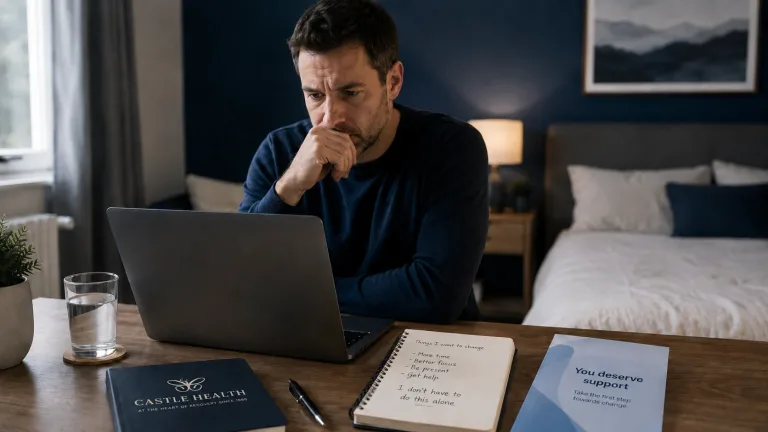
You may want to seek professional help if gaming:
Getting treatment for gaming disorder earlier can stop addictive patterns before they become more fixed and harder to change.

Gaming disorder can be a particular concern for teenagers and young adults. At this stage of life, the brain is still developing, which can make reward and stimulation from games feel more intense and harder to regulate. It also means addictive patterns are harder to break once formed as these individuals progress through adult life.
Gaming is woven into online spaces that many young people use every day. Streams, updates, and social communities can keep games present even when someone isn’t playing. This can make switching off feel difficult.
Excessive gaming in young people may affect:
At Castle Health, we understand how worrying this can be for families. When a young person is struggling, it often affects everyone at home, not just the person who’s gaming.
Our team supports both the individual and their family. Care is age-appropriate and looks at how the young person is coping day to day and what support could be used to improve their long-term wellbeing.
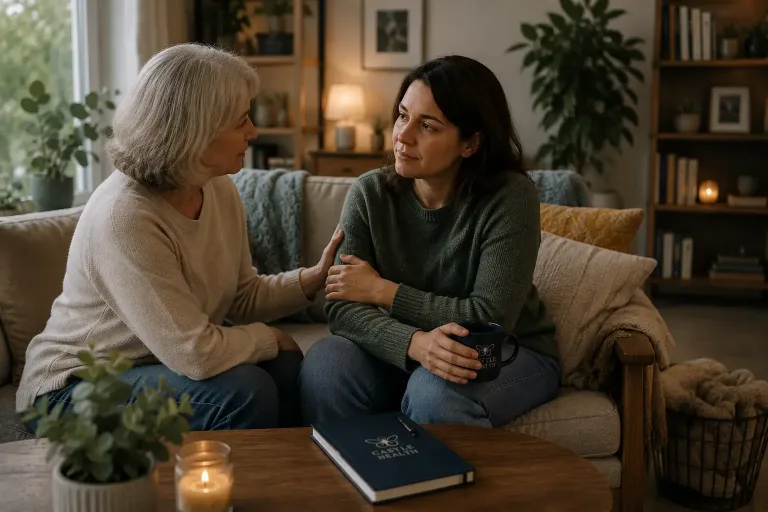
If you’re thinking about treatment for gaming disorder, it helps to look for a service with experience in behavioural addictions and mental health care. Gaming problems often overlap with anxiety, low mood, or stress, so treatment needs to reflect that.
Castle Health provides specialist gaming disorder care at our inpatient treatment centres – Castle Craig in Scotland and Smarmore Castle in Ireland – serving the UK and Europe.
Our clinical teams focus on understanding how gaming is affecting daily life and what level of support is appropriate, both during treatment and as people begin to re-establish balance afterwards.

Many people need gaming addiction treatment to fit around everyday life, rather than replacing it.
Online or treatment for outpatients can allow support to run alongside daily commitments. This makes it easier to get help without stepping away from your routine entirely.
If gaming is affecting your life, contact us to explore supportive, evidence-based gaming addiction treatment.
Castle Health provides specialist gaming disorder care at our treatment centres across the UK and Europe. Our clinical teams focus on understanding how gaming is affecting daily life and what level of support is appropriate, both during treatment and as people begin to re-establish balance afterwards.
We are here to listen, guide and help you every step of the way. Call us today and together we can find a solution that suits you.
Our admissions process is confidential and designed to suit and support you and your circumstances. Find out more about the Admissions process.
From the UK: 0131 287 4071
International: +44 (131) 287 4071
Stopping gaming suddenly can feel daunting, especially if it’s become part of how you cope day to day. Many people benefit from behavioural addiction treatment that helps them reduce gaming gradually, while learning other ways to manage boredom, stress, or low mood.
Gaming addiction treatment in the UK and Europe is available through specialist services, including gaming addiction treatment centres that offer gaming disorder treatment tailored to each person.
Effective treatment for gaming addiction looks at gaming habits and emotional health together. Therapy focuses on understanding what keeps the behaviour going and developing practical ways to respond when the urge to game shows up.
CBT is often used as part of treatment for gaming addiction, as it helps people see unhelpful patterns and change how they respond to stress or low mood. This kind of work is usually adapted to the individual, rather than delivered as a one-size-fits-all programme.
The cost of gaming addiction treatment depends on the level of support involved. For some people, regular therapy sessions are enough. In other cases, more intensive care, such as day programmes or residential treatment, may be more suitable.
After an assessment, our team will explain the options clearly and talk through what each one involves. This helps you understand what’s realistic for you and make an informed decision about next steps.