Welcome to Castle Craig

Specialised residential addiction treatment in Scotland

Castle Craig provides residential addiction treatment in Scotland, UK. We treat patients with addictions including alcohol, drugs, gambling and other behavioural addictions. 

We’ll shape your treatment programme around your needs. Treatments we offer include:

  • 1-to-1 and group therapy
  • Medically managed detox for drugs or alcohol
  • Cognitive Behavioural Therapy (CBT)
  • Eye Movement Desensitisation and Reprocessing (EMDR)
  • Grief counselling
  • Complementary therapies including acupuncture, drumming therapy, and animal-assisted therapy

Our aftercare programme means that support continues after you leave Castle Craig and continue your recovery.

A comfortable, restful environment for your recovery

From mealtimes to leisure time, we’ve designed Castle Craig to have a homely feel, helping you to focus on your recovery.

Room options

You have a choice of a private room, a shared room or an executive room during your stay at Castle Craig. All rooms are single-sex and have an ensuite bathroom.

Fully catered

Our catering team prepares three nutritious meals a day, along with healthy snacks. We can accommodate dietary needs for medical, religious, or personal reasons. We can also arrange nutritional assessments and guidance during your stay if you need it.

Staying active

Our facilities include:

  • Onsite gym for yoga, pilates and aerobics classes, as well as weight training
  • Woodland walks in the private grounds
  • Victorian walled garden for horticulture therapy

Space to unwind

Our Drawing Room and Quiet Room are shared spaces where all residents can come to socialise and relax. They’re furnished with cosy seating and ambient lighting. You’ll also find plenty of reading material. 

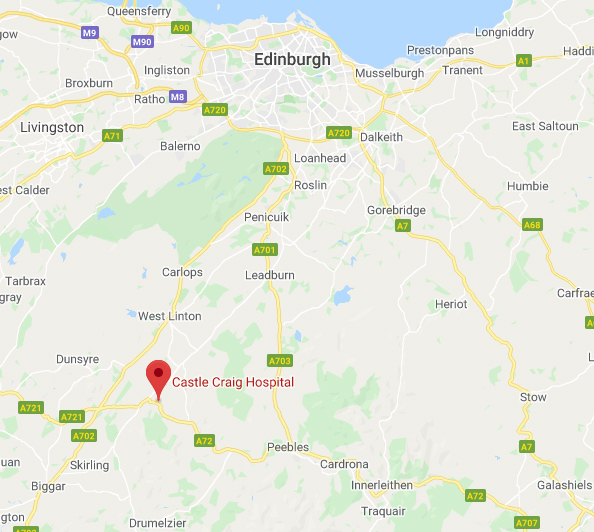
Travelling to Castle Craig

We treat patients from across the UK, Europe and USA. When you contact our team, we’ll talk to you about your options for travelling to Castle Craig. We’ll also talk to you about your health insurance and other payment options.

Contact us

Blyth Bridge, West Linton
near Edinburgh,
Scotland, UK
EH46 7DH
Freephone (UK only): 0808 231 3098
International: +44 1721 728 118
Fax: +44 (0)1721 752662

Therapies

One-to-one rehab therapy
Individual therapy can lead to effective and sustained recovery and can change thinking patterns and behaviours that may lead to relapse. Therapists strive to address deep-rooted personal issues (trauma, grief, abuse) and motivate the patient to achieve and maintain abstinence through Cognitive Behavioural Therapy (CBT), Motivational Enhancement Therapy (MET) and Dialectical Behaviour Therapy (DBT). These are the main methods that help patients explore and address the subconscious issues that trigger addiction.
Group therapy
Group therapy provides a non-judgmental environment where patients can identify underlying issues and support each other while learning to share their experiences. The recovery journey of people with addiction allows them to share their stories and discover which negative emotions block them to regain sobriety. Patients get help from trained rehab specialists. They learn to share their struggles by completing specific tasks and doing rehab homework (reflecting on how their addiction affected their life and the life of their loved ones).
12 step programme
The 12 step programme includes universal spiritual principles and the belief that by supporting others in need, the patients manage to heal their own addiction. The 12 Step treatment is not the only therapy provided at Castle Craig, but it is the core of our addiction treatment model. Patients learn about the Twelve Steps at an early stage through group therapy & special reading materials. Patients attend therapy sessions by following the first 5 steps of the 12 in a residential setup, according to our treatment programme structure.
Family Therapy
Family and friends represent essential support for people with substance addiction. This therapy helps patients rebuild damaged relationships with their loved ones. Family therapy helps patients and their families to express their emotions and build a stronger and more meaningful connection. The therapist may teach the family healthy coping mechanisms to better deal with the problem and to understand the attitude of a person with addiction while educating the family members about addiction.
Trauma Therapy
People with trauma may not be able to handle stressful events as they could lack healthy coping skills. This therapy can help them overcome emotional and mental issues. Before starting therapy sessions, patients need to establish the goals they want to achieve. These goals may refer to connecting with their emotions, finding inner peace, or talking about those traumatic events. Trauma treatment is a holistic approach and supports the patient to safely process blocked negative emotions.
Women-Only Therapy Group
This therapy provides a safe setting for women with addiction to express their feelings and painful memories while developing a sense of empathy and patience. Women-Only Therapy Group may address various emotional and social problems that are usually associated with substance misuse among women (stigma, stereotypes about women’s sexuality and beauty, negative image patterns concerning women in media, motherhood, violence or codependency.
Experiential Therapies
These therapies help patients work through their emotions while enjoying life-changing experiences and physical pursuits that keep them focused and healthy. Using music, props, or art patients may be able to explore and release their negative denied feelings, stress and guilt associated with traumatic events that led to developing addiction and destructive behaviours.
Complementary Therapies
Complementary therapies use a holistic approach (art therapy and mindfulness) to help patients focus on both mind and body while supporting each other. During rehab, mind and body therapies (also known as holistic treatment rehab) help patients by reducing the withdrawal symptoms and encouraging recovery. Some therapies using mindfulness may be effective in reducing cravings and lowering the chances of relapse, while expressive arts may build social skills.

What to expect

Developing a customized treatment plan

At the beginning of the recovery process, the patient will go through specific assessments to enable the treatment team to tailor the best program for the patient treatment needs. The assessments may include a psychological check, a medical examination, and a psychosocial assessment. The rehab specialists will also ask questions about family history of addiction, other info about personal substance abuse history, and financial options. Based on this information, the team of professionals can determine the proper care plan for each patient’s needs. Patients with co-occurring disorders or a dual diagnosis can discuss with the rehab experts about additional treatment options. These treatment options help patients to access the right care and support.

Detox (the process of safely removing addictive substances and toxins from the patient’s body)

The detox may involve uncomfortable withdrawal symptoms. Medical surveillance of the withdrawal process can help the patient to go through this process safely. Our team of professionals determine the withdrawal risks and the medical interventions needed for each patient. Most people avoid entering a rehab programme for fear of the withdrawal process. Take the first step toward recovery. Our admissions specialists can guide you and help you process all your fears. You are not alone in this journey to sobriety. Call our helpline for more assistance and advice! The cost of alcohol or drug addiction treatment should not be an obstacle. Verify if your insurance may cover some of the rehab costs.

Rehab (building the base of the recovery path)

After the successful completion of detox, the patient will enter the rehabilitation phase. During this phase, the patient will have to attend specific therapies to identify underlying issues that lead to a substance use disorder. When choosing a treatment setting, patients should familiarize themselves with the type of treatment programmes available at Castle Craig.

Treatments

Castle Craig helps patients with addiction achieve sobriety by following the 12 Step approach and harnesses Cognitive Behavioural Therapy, Motivational Enhancement Therapy, and complementary therapies. At the heart of each treatment programme lies the compassion and patience of therapists trained to help patients overcome their addictions. Castle Craig’s residential recovery treatment programme addresses various addictions, including:
  • Stimulant addiction
  • Alcohol addiction
  • Prescription drug addiction
  • Drug addiction
  • Dual-diagnosis disorders
  • Opiate addiction
  • Cocaine addiction
  • Gambling addiction
  • Benzodiazepine addiction
Rehab experts at Castle Craig tailor treatment programmes fitted to the needs of each patient. The treatment programmes include specific elements according to each patient rehab needs:
  • The length of treatment
  • Detoxification needs
  • Prescribed medical tests
  • Therapy groups
  • Complementary therapies
  • Exercising programme
  • Type of accommodation
  • Holistic therapies (massage)
If you are suffering from drug addiction or behavioural disorder, the team of dedicated professionals at Castle Craig can listen to your problem. They can help you learn more about the residential rehab programme.

Residential and Outpatient

Residential treatment programmes can help those with severe addiction by taking them out of the environment that encourages addictive behaviour and placing them into a treatment facility that offers 24/7 support from trained and compassionate personnel. Outpatient care is a treatment programme suited for those with mild addictions who want to maintain their family and social responsibilities.

Aftercare (maintaining sobriety for complete healing and long-term recovery)

Regular therapy sessions post-rehab (individual and group therapy) help patients maintain their sobriety. Attending these sessions, patients follow the path toward complete recovery. Recovery is a lifelong process. After the addiction treatment programme, a rehab specialist will guide the patient to access an aftercare plan. A sober living for recovered patients means continued therapy and attending support groups. Castle Craig addiction rehab facility assists patients as they return to their daily lives. Aftercare programmes include additional meetings, counselling, and classes.

Our Team

The Castle Craig team of professionals are dedicating their time to guiding patients through their recovery experience. Patients reported they feel Castle Craig has a welcoming and family-like atmosphere, which fosters the base for a profound healing process.

Castle Craig - international recovery treatment clinic

Our international specialists come from different countries such as Germany, Romania, UK, The Netherlands, Poland, and the US. Our team of professionals include:
  • Castle Craig Medical DirectorConsultant Psychiatrists
  • Certified Addiction Therapists
  • Resident Doctors
  • Nursing Team
  • Other permanent and consulting staff
Discover more about our staff and meet them for professional and confidential advice. Call us today!

FAQ

How Long Does Rehab Last?

Typical addiction treatment plans last from 30, 45, 60, or 90 days depending on the type of dependency. Depending on the type of programme you choose, you may spend more or less time in rehab.

During the inpatient programme, you stay in the recovery centre for the duration of your treatment, while outpatient programmes allow you to come to the centre only when you are scheduled for therapy and treatment. Inpatient programmes keep patients away from addictive habits allowing healing to take place in a substance-free environment.

Outpatient programmes are more suited for patients who need to take care of their career and home life.

Find out More
How Much Does Rehab Cost?

The costs of a rehab programme may vary by the type of treatment centre, and whether you choose an inpatient or outpatient programme. The cost can vary depending on location, length, and type of treatment package included.

Contact our specialists at Castle Health today to learn more info about treatment options and their costs.

Find out More
How can I stage an intervention?

Our specialists at Castle Health can help you with intervention services and recommend following these five steps when staging an intervention:

Find out More
What Is an Average Day Like in a Rehab Centre?

At our rehab centre, detox is the first step in your recovery process. This could last from one day to two weeks. After you have completed the detox process, you will be able to relax and recover by engaging in creative activities provided by our clinic. Depending on your treatment plan option, you may have a specific routine such as breakfast first, then mindfulness sessions, group or individual therapy, and outdoor activities. All Castle Health programmes will be fitted to the recovery needs of the patient while providing the necessary structure and stability for lasting change.

Find out More

What our customers say

Jackie
"I arrived at Castle Craig completely broken, physically, mentally and emotionally. I honestly thought I had gone past being healed after relapsing after 10 years of sobriety. The staff at CC were dedicated to helping me as soon as I entered the building. The kindness and skills of all the staff here are what I can only describe as truly amazing. My boyfriend sadly passed away from alcoholism whilst I was at CC and the staff got my through some of my darkest days to date."
Mischa
"Saved my life!! Magic place, Magic ground !! loving people!!"

Our Accreditations

<?php the_title() ?>