
United Kingdom
London
Find out more
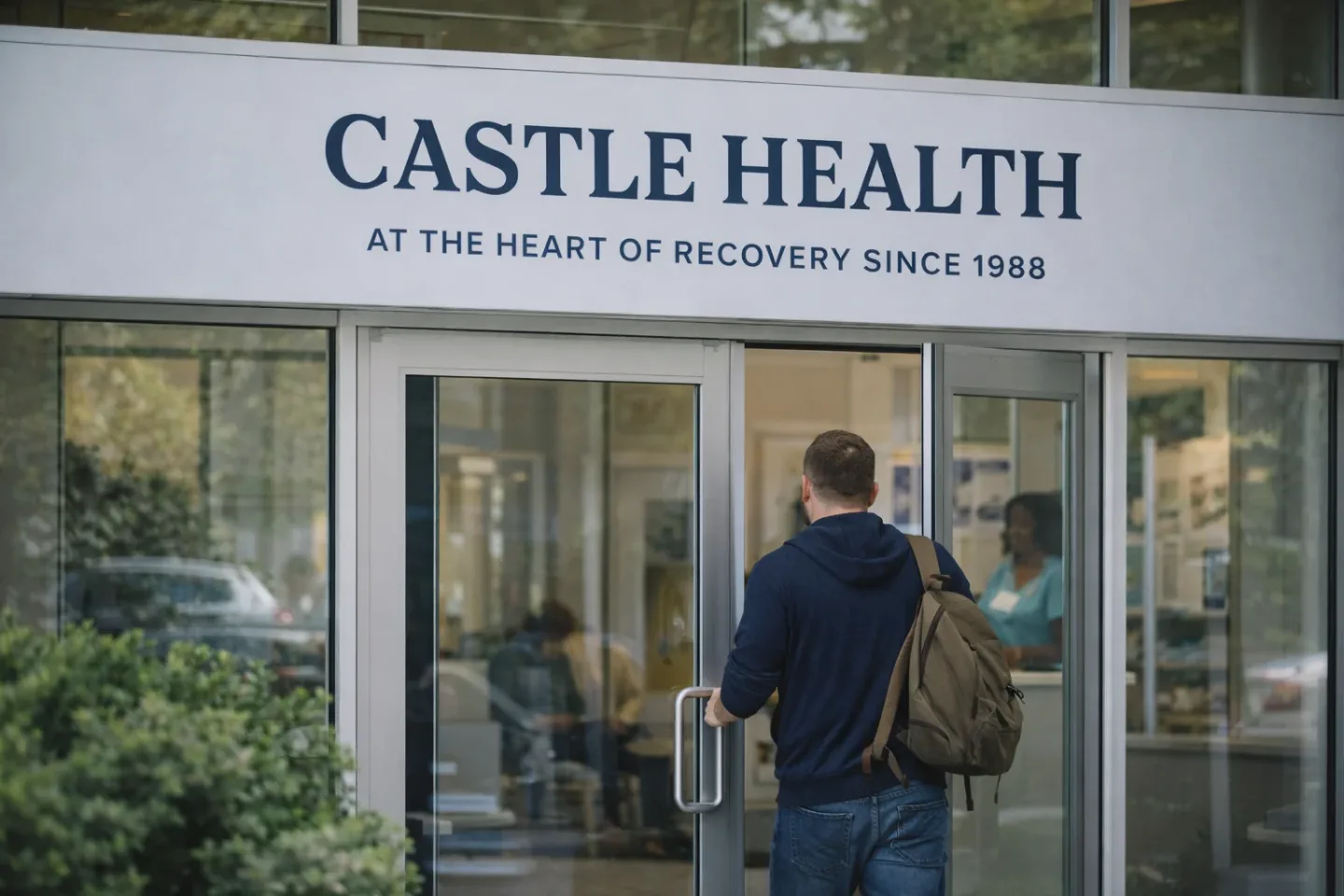

Not everyone who needs help with addiction is in a position to go into residential care, and not everyone needs to. Outpatient addiction treatment is proven to work just as well as inpatient care for people whose situation suits it. It means getting professional support while continuing to live at home.
At Castle Health, we offer outpatient programmes across the UK and Europe, so support is available wherever you are. This page explains what those programmes involve, who they work best for, and how to find out if one is right for you.

Outpatient treatment means you live at home and attend therapy sessions at scheduled times instead of staying at a clinic or treatment centre. This includes outpatient drug treatment, outpatient mental health treatment, and specialist programmes for trauma and relationship support. Appointments are confidential, and if you’re working, your employer isn’t informed unless you choose to tell them.
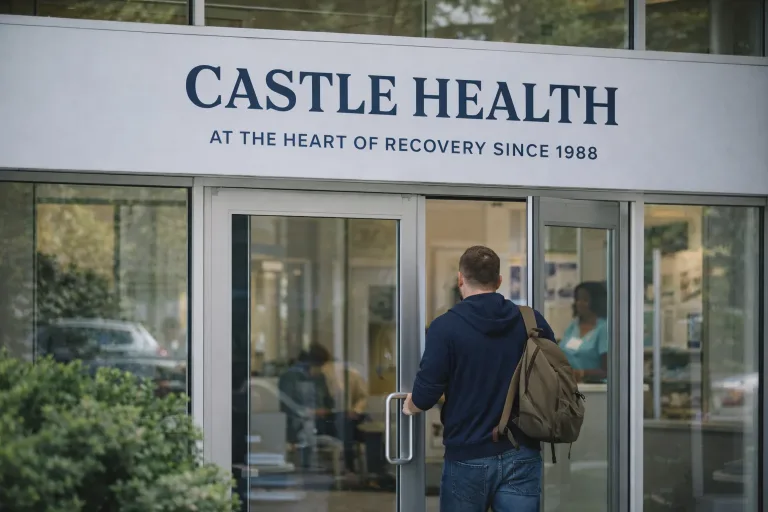
The question of whether you need outpatient treatment is less about amounts and more about impact, because how much someone’s drinking or taking a substance matters less than what it’s doing to their life.
If you’re unsure whether outpatient treatment is right for you, the simplest thing to do is speak to our team. Getting in touch with our team doesn’t mean you’re signing up for anything. It’s just a chance to talk through your situation and find out whether outpatient treatment would help.

"I'm 5 years sober now and I know I wouldn't have survived another month before I joined the treatment programme. Castle Craig is an amazingly special place where miracles really do happen, I'm blessed to have found you."

The main difference between inpatient and outpatient addiction treatment is where you live during the programme. Inpatient treatment, or residential treatment, means staying at a treatment centre full-time with clinical staff available around the clock. Outpatient treatment means attending regular sessions while living at home.
There are several situations where outpatient treatment is the right option. Here is what those look like:
Outpatient treatment is a good option if you don’t have severe withdrawal symptoms or medical issues, and your home environment feels safe If you need medical detox first, our team will let you know before suggesting outpatient care. Being medically stable means you don’t need constant medical supervision and that withdrawal symptoms or health conditions are manageable on an outpatient basis. A safe home environment means your living situation is free from substances or triggers, and you have support to encourage your recovery.
Outpatient therapy can take place in the evenings or on weekends, so you can get help without giving up your other responsibilities. Treating addiction while you stay in your usual environment helps you learn to manage recovery where you live every day.
If you’re dealing with anxiety, depression, or another mental health issue along with substance use, outpatient programmes can help with both. If your mental health needs are more complex, our team will talk with you about whether more support is needed.
Outpatient treatment is often the next step after inpatient care. It gives you ongoing support as you return home, helping you build on the progress you made during residential treatment.
It’s also a good starting point for someone not yet ready for residential care, or for those who live in areas or face costs that make inpatient facilities hard to access.
Castle Health treats a wide range of addictions, including:

Outpatient treatment is a proven option on its own, not just a step before more intensive care. For people who are a good fit, research shows it works as well as residential care.
Work, relationships, and routine all stay in place. Because recovery is happening alongside real life rather than separately from it, the skills you build carry over once treatment ends.
Castle Health offers online therapy by video call, so location isn’t a barrier to support. It works well for people who can’t easily travel, have daytime commitments, or want to keep treatment private.

Here is what outpatient treatment at Castle Health actually involves, from your first call through to ongoing weekly support.
The first step is a free 30-minute call with one of our trained advisors. It’s confidential and carries no commitment. We’ll listen to what’s been going on, point you in the right direction, and follow up within 24 hours with a recommendation based on your situation.
If you decide to go ahead, we’ll arrange a full clinical assessment. This is a 90-minute conversation with one of our clinicians and goes into more detail than the first call. They’ll ask about your physical health, your mental health, and your history with substance use.
Your first session is a time for you and your therapist to get to know each other. Together, you’ll review your upcoming programme, goals, and how they can support you.
Most people attend one or two individual therapy sessions each week, along with group sessions. Group therapy is helpful because it connects you with others who understand your experience. Sessions are available online, and you can choose either 12 sessions over 12 weeks or 2 sessions per week for 6 weeks.
Your treatment may also include:
Our therapists use Cognitive Behavioural Therapy (CBT), Dialectical Behavioural Therapy (DBT), and motivational interviewing. For people whose addiction is rooted in unresolved trauma, we also offer trauma-focused CBT and Eye Movement Desensitisation and Reprocessing (EMDR), which helps the brain process difficult memories so that trauma and addiction can be treated at the same time.
This includes five one-on-one online sessions with a certified addiction therapist, designed to help you understand your personal habits, behaviours, and reasons behind them. Your therapist will guide you through recovery options and help you create a practical, long-term plan.
This supports the people closest to someone in recovery, recognising that addiction affects more than the individual. A family support group is also available for those whose loved one is in continuing care.
This helps partners repair relationships affected by addiction, using proven methods tailored to each couple. Available in person or by video call, sessions focus on rebuilding trust, improving communication, and creating healthier habits together.
A recovery coach works with your therapy to offer guidance, keep you on track, and provide practical support between sessions and after treatment finishes.
There’s no fixed end date for outpatient treatment. Most people start with regular sessions over four to six weeks and then review how things are going. Some people then choose to keep up regular sessions, or to reduce them.
Contact our Admissions team for more information.

A four-week outpatient programme at Castle Health typically costs between £3,000 and £4,000. In the UK, outpatient rehab is also available through the NHS, but waiting times can be over a year. Many people use health insurance for private outpatient care. Castle Health works with most major insurers, and if you’re unsure about your coverage, our team can check your policy before you make any decisions.

Relapse doesn’t mean you’ve failed or that treatment stops. For some, relapse is part of the process and is never met with judgment. We treat it with compassion and see it as an opportunity to learn. We examine what happened, what led up to it, and where to go from there.
We are here to listen, guide and help you every step of the way. Call us today and together we can find a solution that suits you.
Our admissions process is confidential and designed to suit and support you and your circumstances. Find out more about the Admissions process.
From the UK: 0131 287 4071
International: +44 (131) 287 4071
The quickest way is to contact us through the Castle Health website. We start with a free 30-minute call to help you work out whether our outpatient treatment is the right fit, and from there we can arrange a full clinical assessment if needed.
It can be, depending on the circumstances. Castle Health offers drug treatment outpatient and alcohol addiction outpatient services across the UK. Outpatient treatment for opioid addiction works well when the level of dependence doesn’t require a medically managed detox. If it’s the right fit, we’ll put together a plan around your specific needs. If medical detox is needed first, we’ll be clear about that and talk you through your options.
Castle Health offers alcohol addiction outpatient treatment and drug treatment outpatient services across the UK, including London, Edinburgh, and the Midlands, with both in-person and online therapy options. We also have outpatient clinics in Sweden and Ireland, and outpatient services for people in Finland and Malta.