Call Us Now: +44 1721 360 045
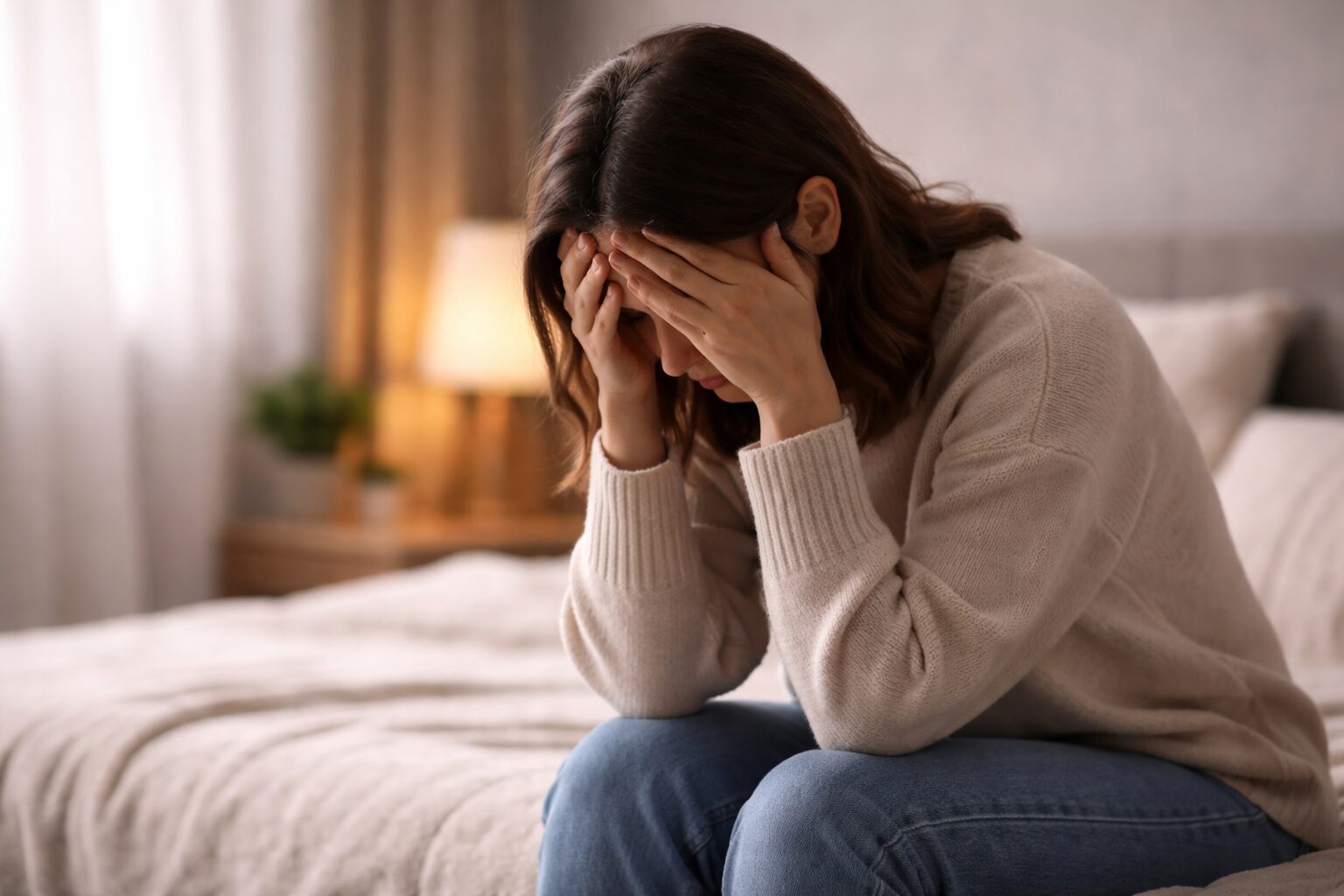
Mental health is more commonly talked about now than ever before, but it’s still easy to assume that feeling depressed is just part of modern life.
Depression is often explained away as feeling tired or low, or as a loss of interest in things that once brought joy. Work deadlines, poor sleep, or a stressful period can bring similar feelings, which makes it hard to know when something more serious is happening.
The difference usually becomes clear when low mood persists or worsens, even after your circumstances improve. Daily life starts to feel harder to manage, and in some cases, feelings of hopelessness can set in.
If that sounds familiar, you’re not alone, and depression treatment can help.
The team behind Castle Health has over 40 years of experience in addiction treatment. Along the way, we’ve developed deep clinical expertise in the conditions that so often accompany it, including depression.
What is depression?
Depression is a mental health condition that affects how the brain regulates mood, energy, and motivation, making day-to-day life a significant challenge for many people worldwide.
It’s more than feeling low or sad for a few days. Depression can last weeks or months, and often starts to interfere with work, school, relationships, and daily routines.
Depression can make everyday tasks feel unusually difficult. It’s common to become worn down, flat, tired, and disconnected from the people around you.
Depression can present in different forms, including recurrent major depressive episodes, persistent low-grade depression, and seasonal patterns linked to changes in light exposure.
According to the World Health Organisation, depression is around 1.5 times more common in women than men, but it can affect anyone, no matter their age, gender, or life experiences.
Are there different types of depression?
Depression looks different in everybody. It depends on the person, their circumstances, and when it develops. The most recognised types include:
- Persistent depressive disorder (PDD) is a longer-lasting form of depression. Symptoms may feel less intense than major depression, but they linger for two years or more, making it easy to mistake them for simply “being that kind of person.” This is also known as “dysthymia”.
- Seasonal affective disorder (SAD) typically follows a seasonal pattern, most commonly emerging in autumn and winter when daylight hours shorten. Energy, mood, and motivation tend to improve as the seasons change.
- Antenatal and postnatal depression (PND) can develop during pregnancy or after giving birth. Antenatal depression is less talked about, but both are recognised conditions that go beyond low mood or the ‘baby blues’ and are deserving of proper support.
- Premenstrual dysphoric disorder (PMDD) is a severe form of premenstrual syndrome. Mood-related symptoms, including low mood, irritability, and anxiety, are significant enough to disrupt everyday life in the days before menstruation.
When depression and substance use overlap
Depression and addiction frequently happen together. Low mood can drive people towards drugs or alcohol to seek short-term relief. It feels like a way of managing emotional pain.
But substance use can deepen feelings of shame, fatigue, and hopelessness. Each condition influences the other. Treating only one rarely leads to lasting progress. Holistic care that addresses both gives recovery a stronger foundation.
<h2>What are the signs and symptoms of depression?
Depression doesn’t look the same for everyone, and many people don’t experience symptoms all the time.
How severe depression is can vary from person to person. For some people, symptoms are persistent but manageable, while others live with more severe or clinical depression that feels like it’s taking over.
Some common signs of depression include:
- Ongoing low mood or sadness/ feeling tearful
- Loss of interest in things you once enjoyed
- Feeling tired or lacking energy most days
- Changes in sleep patterns, or difficulty with sleeping and waking
- Difficulty concentrating or making decisions
- Feelings of guilt, hopelessness, or low self-esteem
- Pulling away from friends or family
- Stomach problems and appetite changes
- Headaches and muscle tension
- Anxious or worried
- Feeling suicidal or wanting to hurt oneself
In severe cases, depression can change how you experience reality. This is called psychosis. It might mean hearing or seeing things that aren’t there, or holding beliefs that feel completely real but aren’t shared by others.
How is depression diagnosed?
Depression doesn’t always announce itself clearly. A clinical assessment helps establish what you’re experiencing, how long it’s been present, and what level of care is right for you.
At Castle Health, assessments are available over the phone and in person once treatment begins. If you’re experiencing depression alongside addiction, we can help you access the right inpatient or outpatient treatment.
If mental health is your primary concern, a private psychiatric assessment will consider your depression symptoms, manage any medication, and refer you to the most appropriate provider. Dr Peter McCann MBBS, MSC, MRCPsych, is based in Edinburgh and at Castle Craig. He also provides appointments online.
What’s the best treatment for depression?
Clinical depression treatment usually involves talking therapies, and for some people, medication. Most treatment plans combine both, tailored to what’s driving the depression and how it’s affecting your life.
Talking therapies
Talking therapies can help you explore the experiences, thought patterns, and behaviours that may be contributing to how you feel. At Castle Health, we offer several evidence-based approaches.
Cognitive Behavioural Therapy (CBT) looks at the relationship between thoughts, feelings, and behaviour. It can help you identify thinking patterns that contribute to low mood and develop more helpful responses to them.
Dialectical Behaviour Therapy (DBT) builds practical skills for managing intense or overwhelming emotions. It draws on mindfulness, distress tolerance, and interpersonal effectiveness. It can be particularly useful where depression appears alongside emotional dysregulation or self-destructive patterns.
Motivational Interviewing is a collaborative, non-directive approach that helps you explore your own reasons for change. Rather than being told what to do, you’re supported to find your own motivation at your own pace.
Eye Movement Desensitisation and Reprocessing (EMDR) is a structured therapy that can help process distressing memories that may be contributing to depression. It was originally developed for trauma, but research supports its use for depression, particularly where past experiences play a role in how you think and feel.
Medication
Medication is sometimes part of a depression treatment plan. Antidepressants work by supporting the brain chemicals that affect mood, like serotonin. They don’t change your personality. They help ease symptoms like poor sleep and persistent low mood.
If medication is right for you, a consultant psychiatrist will oversee your treatment and monitor your progress throughout.
How can I access depression treatment at Castle Health?
Our team of psychiatrists, clinicians, and healthcare specialists support people with depression in two ways. If you’re living with both addiction and depression, our residential treatment programmes could be right for you.
If depression is your primary concern, Dr Peter McCann’s private assessments, medication management, and referrals to an accredited provider are recommended.
Not sure which applies to you? Contact us for a confidential conversation.
Residential treatment for addiction and depression
If you’re living with both depression and addiction, residential treatment may be recommended. Inpatient depression treatment in the UK can take place at Castle Craig in Scotland or at Smarmore Castle in Ireland. It is treated as a co-occurring condition alongside addiction, with round-the-clock clinical care.
Once treatment ends, aftercare is typically available as outpatient treatment, which is available online or in person across our locations in the UK and Europe.
*We do not currently offer residential depression treatment on its own.
Outpatient depression treatment
Our outpatient treatment is part of our Aftercare programme for patients leaving residential rehab. It includes psychiatric support, personalised therapy, and a dedicated Recovery Coach to support your return home. Sessions are available in person or online.
Private psychiatric treatment for depression
For a standalone psychiatric service, Dr Peter McCann offers assessments, medication management, and referrals to accredited providers. Get in touch to find out more.
<h3>Where can I access online treatment from?
UK | Ireland | Sweden | Netherlands | Finland | Malta | Romania | Norway | Belgium
Treatment with Castle Health is delivered in English and is available to patients over the age of 16 only.
What to expect from your first appointment
You’ll talk through how you’ve been feeling, how long it’s been going on, and how it’s affecting your daily life. You don’t need to arrive with a clear explanation or the right words.
Our team will listen, then explain what may be happening, and they will explore which treatment might be best for you.
How much does depression treatment cost?
The cost of depression treatment depends on the type of support you need and how long treatment lasts. We discuss costs individually, so you’re only paying for what’s right for you.
Treatment is available through private funding or health insurance. If you’re unsure what your policy covers, contact your provider directly.
For residential addiction treatment, referrals may also be available through your national health service. Speak to your GP to find out more.
How do I book an assessment for depression treatment?
To book an assessment for depression, you can contact our team at Castle Health to arrange an initial consultation over the phone.
Getting help for depression with Castle Health
Many people who recover from depression say the same thing: they wish they’d asked for help sooner. Not because treatment is easy, but because the version of life they were living while waiting to feel better wasn’t really living at all.
If something in this page feels familiar, that’s worth paying attention to. Contact our team for a confidential conversation about what depression support might look like for you.
Frequently asked questions
How does therapy help in the treatment of depression?
Depression has a way of distorting thinking without you knowing. Therapy helps you step back from that. You’ll start to notice the patterns that keep pulling you back down, understand where they come from, and develop practical ways to respond differently.
It doesn’t change what’s happened to you, but it changes how much power those experiences have over your daily life.
Can depression be cured without treatment?
A difficult period brought on by bereavement, stress, or a significant life change can lift once things improve. But depression that has been present for months, or that keeps returning, rarely resolves on its own. Especially when your symptoms are severe.
The risk of waiting is that it becomes harder to treat the longer it goes untreated. An assessment can help clarify your situation and the help you need.
How long does depression treatment last?
There’s no single answer, and anyone who tells you otherwise isn’t being straight with you. What most people find is that they start to notice a difference within the first few weeks, and that a clearer picture of what they need emerges after the first month or two. Treatment is reviewed regularly, so nothing is set in stone.
The goal is progress, not a predetermined timeline. The Castle Health team are here for as long as you need.