Call Us Now: +44 1721 360 045
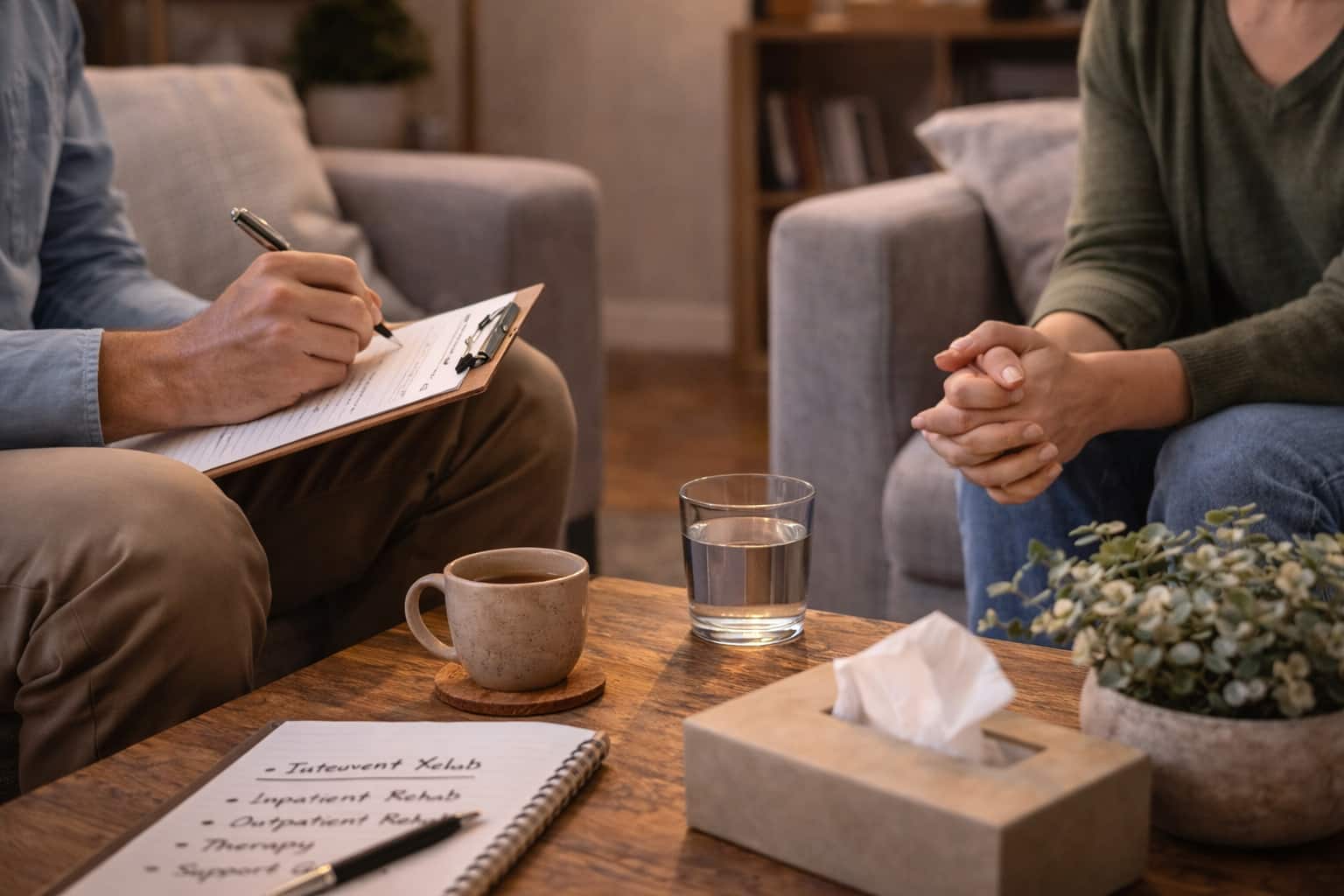
Many people reach out to Castle Health about drug addiction treatment because they or someone they love is struggling. If that’s why you’re here, this page explains what treatment involves, how we can help, and what happens when you reach out.
What is drug rehab and drug addiction treatment?
Drug rehab is a supervised programme where medical staff and therapists work together to help someone stop using drugs in a safe and supported environment.
Treatment usually focuses on four main areas of care:
Detox
Some drugs make the body physically dependent, so stopping can bring on withdrawal symptoms. These can be different for everyone, but might include anxiety, trouble sleeping, sweating, or feeling sick. The clinical team is there to help manage these symptoms and can give medication if needed. Not everyone will need a full medical detox.
Therapy
Therapy looks at what sits underneath drug use, which can include past trauma, mental health struggles, or coping mechanisms that no longer help. Approaches such as Cognitive Behavioural Therapy (CBT) are used alongside group sessions and one-to-one therapy.
Daily routine
From day one, your daily schedule is taken care of. Active drug use takes up a substantial part of the day. People often find they suddenly have more hours in the day, and filling them with something purposeful is what gives early recovery its foundation. That’s why regular meals, consistent sleep, and physical activity always sit alongside timetabled therapy.
Aftercare planning
Aftercare planning makes sure support doesn’t stop when you leave. Before treatment ends, a personal plan is put in place that covers everything from how to manage cravings to what your support network looks like once you are home.
What are the signs of drug addiction?
People come to treatment at different stages. What usually brings someone to seek help isn’t the level of drug use itself, but how it has started to affect their life and how hard it’s become to stop. The signs can vary, but they typically fall into three areas.
The physical signs
- Needing more of the drug to feel the same effect (tolerance)
- Withdrawal symptoms when not using, such as shaking, sweating, or nausea
- Changes in sleep or appetite
- Unexplained changes in weight or appearance
The behavioural signs
- Spending a lot of time getting drugs, using them, or recovering
- Continuing to use despite harm to health, work, or relationships
- Pulling away from people or activities that used to matter
- Taking risks to get hold of drugs
The psychological signs
- Strong cravings that are hard to ignore
- Trying to cut down or stop, and finding it much harder than expected
- Using drugs to feel normal rather than to feel good
If any of this sounds like your situation, or that of someone you love, our team is always available to answer your questions.
How treatment for drug addiction addresses what willpower can’t
Because of misinformation, many people believe that not being able to stop using drugs comes down to a lack of willpower. This couldn’t be further from the truth, and drug addiction is a recognised medical condition for a reason. Wanting to stop is important, but sadly, on its own, it’s rarely enough. That said, recovery is absolutely possible, and people do get better and move on to rebuild their lives through professional and peer support.
The level of care recommended depends on how severe the addiction is and what support is in place at home.
- Mild to moderate addiction may be treated with outpatient or online support. This allows you to keep living at home, working, or caring for family while attending regular therapy.
- Moderate to severe addiction often needs inpatient treatment. Residential drug addiction treatment gives you time away from triggers, with 24‑hour staff and a set daily routine.
What drug addiction treatment programmes are available at Castle Health?
Castle Health offers drug addiction treatment across the UK and Europe. It all starts with a simple chat with our admissions team to get a sense of which kind of support would suit you best.
Our centres offer:
- Residential drug addiction treatment at Castle Craig in Scotland and Smarmore Castle in Ireland
- Outpatient drug misuse treatment in London, Edinburgh, and Stockholm
- Local therapists in Finland and Malta
Wherever a person begins with us, they have a calm, private space and a team that takes time to understand their situation properly. Treatment is built around what someone specifically needs, not a standard programme everyone goes through.
Residential drug addiction treatment
If you need drug addiction residential treatment, Castle Craig and Smarmore Castle offer round-the-clock care. We often suggest this when:
- Addiction has been present for a long time.
- There are significant health or safety risks.
- Previous outpatient support has not been enough.
Residential drug addiction treatment at Castle Craig and Smarmore Castle may include:
- Medical help with drug addiction detox and treatment
- Individual and group therapy
- Mental health support for conditions like anxiety or depression
- Learning about addiction, recovery, and how to avoid relapse
- Making a plan for support after you leave
Outpatient drug addiction treatment
Outpatient treatment of drug addiction means you attend sessions regularly while living at home. It can be a good option when:
- Risks are lower, and the home is a safe environment.
- You have supportive people around you.
- Work, study, or caring responsibilities need to continue.
Outpatient treatment of drug addiction can include:
- Weekly or more frequent therapy sessions
- Regular check-ins with our care team
- Help with planning your recovery and daily routines.
Outpatient support can also help you after residential treatment, giving you a way to put what you have learned into practice in daily life.
Online drug addiction treatment
We also offer online drug addiction treatment via video and phone calls. It can work for people who:
- Live far from a drug addiction treatment centre.
- Have mobility or health issues that make travel difficult.
- Need flexibility around work or childcare.
Online substance misuse treatment can offer:
- Remote assessments
- Private online therapy sessions
- Ongoing support and regular check-ins
It can also support you after inpatient or outpatient work has finished, giving you a way to keep building on your progress from home.
How much does drug addiction treatment cost?
The cost of drug addiction treatment varies depending on:
- The type of programme, whether residential, outpatient, or online
- How long treatment lasts
- Whether medically supported detox is needed
- The level of clinical support involved
When you first get in touch, our admissions team will walk you through the options and explain costs clearly. We can also talk through payment plans and insurance options, so you’ve got the full picture before making any decisions.
What happens when you contact our team
When you contact Castle Health, you can speak privately with our admissions team about what’s been happening and what you’re looking for. They’ll explain what’s available, from online therapy to residential rehab, and help you work out what’s right for you or someone you care about. After this first conversation, we’ll arrange an assessment to better understand your needs. Based on this, we’ll recommend the most suitable options and provide support to help you take the next steps with confidence.
Frequently asked questions
How effective is drug addiction treatment?
Treatment works best when it’s matched to the person. Bringing together therapy, medical support, and a clear aftercare plan gives the best chance of things sticking long-term. Many people find that taking things one step at a time, with a plan they understand, makes it more manageable.
How do I book a consultation for drug addiction treatment online?
Get in touch with Castle Health by phone or through our website. Our admissions team will arrange an assessment, which can be done remotely, and talk you through what’s available, including online and in-person options. During this process, we can provide clear information on costs, payment options, and discuss any insurance coverage so you know what to expect.