Call Us Now: +44 1721 360 045
Addiction is a recognised medical condition, and with the right support, recovery is possible. At Castle Health, we regularly hear people say their addiction started as a solution to a problem and eventually became the problem itself. We know how lonely addiction can feel, but the good news is that you aren’t alone, and over the years our team have helped countless people find their way back to themselves.
Addiction therapy is about more than stopping a substance. It’s about understanding what was driving the addiction and building healthier ways to manage what it was trying to address in the first place. This page explains what addiction therapy involves, what types are available at Castle Health, and how to access support.
What is addiction therapy?
Most people come to therapy knowing there is a problem, but not always understanding why it developed.
At Castle Health, our experienced psychotherapists offer addiction therapy for both substance use and behavioural addiction. Substance use addictions include, but aren’t limited to, alcohol, cocaine, cannabis, and prescription drugs. Behavioural addictions can include gambling, gaming, pornography, and cryptocurrency. Our team’s role is to help you explore the patterns and triggers behind your addiction and develop tools for you to take into life outside of treatment. Because addiction can affect all parts of life, therapy may also involve support from a team of doctors, nurses, and psychiatrists. This is so we can help you with physical and mental health needs, too.
Therapy is available in person through our residential care programmes and outpatient clinics, or online, across the UK, Ireland, Sweden, the Netherlands, Finland, and Malta.
How does addiction therapy work?
While you’re with us, you’ll be able to take part in one-to-one sessions, group therapy, or both, depending on your treatment plan. You’ll also work with a dedicated therapist to create a personalised plan with you, and therapy typically lasts three months or more.
Before treatment begins, we take a thorough approach to understanding your history, health, and circumstances, so that your treatment plan is built around what you actually need. Your therapist will guide you through the process, and sessions are confidential conversations that are there to help you understand your addiction and find better ways of managing it.
Recovery doesn’t stop when treatment ends, and the work done in therapy is designed to stay with you and support you in your daily life.
What types of addiction therapy are offered at Castle Health?
All of our clinics offer a range of evidence-based therapies for addiction:
Individual counselling and one-to-one therapy for addiction
One-to-one therapy gives you a private space to talk through what you are going through with someone who understands addiction. Together, you’ll look at your situation and what practical changes might help. Private counselling for drug and alcohol problems is available both in person and online.
Cognitive behavioural therapy (CBT)
CBT works by helping you understand the link between what you think, how you feel, and what you do. It gives you practical tools for catching unhelpful thought patterns before they lead to substance use.
Dialectical behaviour therapy (DBT)
Dialectical Behaviour Therapy (DBT) is less about thoughts and more about feelings. It’s designed for people who experience emotions very intensely, and teaches skills for managing those feelings.
Trauma-informed therapy and dual diagnosis
Trauma-informed therapy is for people whose addiction is connected to difficult or traumatic experiences. For a lot of people, mental health difficulties go hand in hand with addiction. If you’re living with anxiety, depression, or another mental health condition alongside addiction, this is known as dual diagnosis. According to government data, 72% of adults starting addiction treatment in the UK also said they needed support for mental health problems. At Castle Health, that support is part of your care from day one. Castle Craig also offers EMDR, a therapy that helps process traumatic memories linked to addiction.
Group therapy
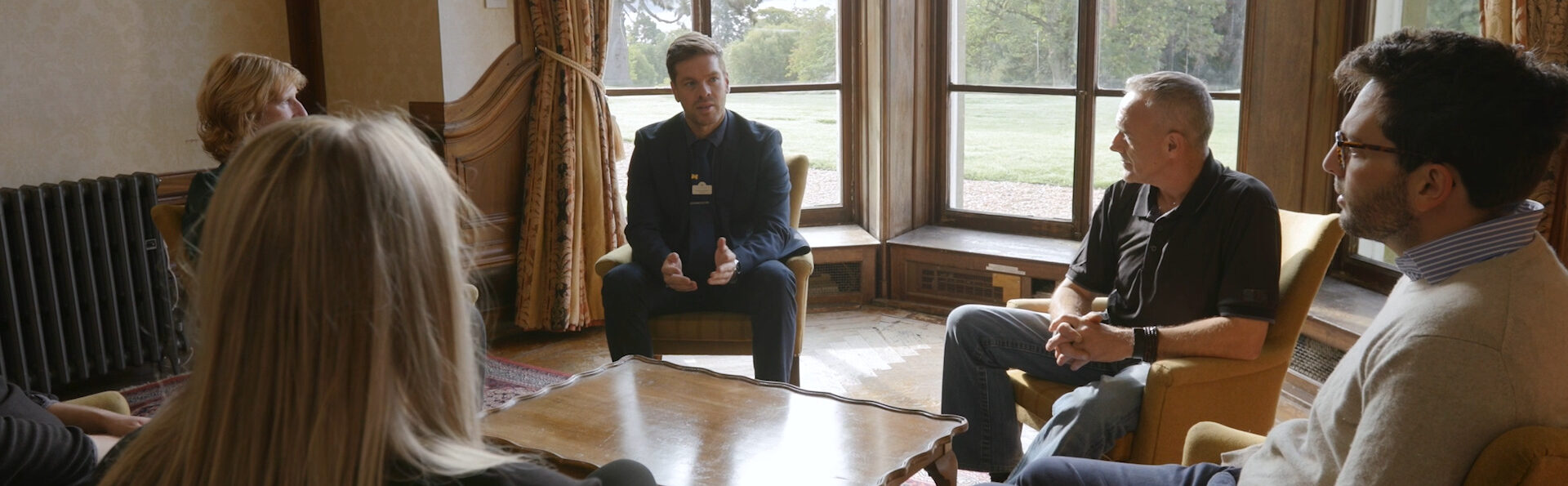
Group therapy brings people together in a safe, supported setting to talk openly and learn from one another. Addiction can be an isolating experience, and being around others who genuinely understand can make a real difference. Group sessions run alongside individual therapy as part of your overall treatment at Castle Health.
Relationship-based therapies
Addiction rarely affects only the person struggling with it. Alongside our therapies for addiction, we offer family therapy and couples therapy for people whose relationships have been affected. These sessions focus on rebuilding communication and trust, and help the people closest to you understand what recovery involves.
If addiction has affected your relationships, support is available. Find out more about family therapy and couples therapy at Castle Health.
12 Step facilitation
The 12 Steps is a recovery programme model that started with Alcoholics Anonymous. It’s now widely used across addiction treatment. People work through a series of steps that focus on personal reflection, taking responsibility, and making amends where needed.
How therapy supports recovery
Recovery isn’t linear. There’ll be good days and difficult days, but with the right support, people often find they feel more in control, more able to ask for help, and better equipped to handle situations that once felt out of reach. Lasting recovery is all about taking life on life’s terms and using the tools from therapy to handle what comes your way.
Online and outpatient therapy for addiction
Residential treatment isn’t the right fit for everyone, and it isn’t always necessary. For people who don’t need round-the-clock clinical care, outpatient therapy offers support that fits around work, family, and daily life.
Sessions are available in person at our clinics or online, making addiction therapy services accessible wherever you are in the UK, Ireland, Sweden, the Netherlands, Finland, or Malta. Online therapy for addiction support is also an important part of stepping down from residential treatment and part of an aftercare plan.
What makes Castle Health’s addiction therapy different?
We’re family-run and have been treating addiction for over 40 years. Our approach is evidence-based, but it is also personal, because we know that good treatment has to be both. What that looks like in practice is expert care delivered with kindness, support for your whole health in one place, and a genuine focus on your long-term recovery.
Take the next step
If you’re considering addiction therapy services for yourself or a loved one, you can call us for a completely private conversation. We are here to discuss your situation and explain how our therapy for addictions may be able to support you.
If you’re thinking about addiction therapy for yourself or someone you care about, our team is here to help.
Speak to our team today, or find your nearest Castle Health location.
Frequently asked questions
What type of therapy is best for addiction?
There’s no single answer, and that’s the point. The most effective approach depends on the individual. At Castle Health, therapy typically draws on a combination of approaches, which may include CBT, trauma-informed therapy, group therapy, and 12 Step facilitation. Individual therapy offers a private space to explore personal challenges, while group therapy allows people to share experiences, feel understood, and learn from others on a similar path.
How often will I receive therapy during rehab?
During residential treatment at Castle Health, you will have regular one-to-one sessions with your therapist, typically a 50-minute session each week, as well as group therapy and access to our recovery communities.
What is the difference between therapy and counselling for addiction?
Counselling offers a space to talk openly about what you are experiencing, thoughts, feelings, and day-to-day challenges related to substance use. It’s particularly useful in the early stages of recovery. Therapy takes a more structured approach, working to understand the patterns and underlying factors that have shaped your relationship with substances or behaviour over time. At Castle Health, both are used together as part of a joined-up treatment plan.
Can I access addiction therapy without going to rehab?
Yes. Castle Health’s outpatient services offer regular therapy, in person or online, for those who need meaningful support while continuing with everyday life. Get in touch to find out what is available in your area.
How much is addiction therapy?
The cost depends on the type of treatment. Residential care, outpatient sessions, and online therapy are each priced differently. The best way to understand what is right for your situation is to speak with our team directly.